

-
About BrakeHengshui Brake Hose Machinery Co., Ltd. is located within the Beijing-Kowloon, Beijing-Shanghai, and Shide lines. There is Shihuang Expressway in the north and Hengshui Lake tourist attraction in the south. The environment is beautiful and the geographical location is superior.

-
ProductsThe main production of automobile, motorcycle brake hose, brake steel hose, Teflon brake hose, nylon brake hose, excellent product quality and performance, by the majority of users alike.
-
NewsThe company with sophisticated equipment, advanced technology, high-quality staff, to user requirements for the purpose, warmly welcome new and old users at home and abroad to visit and guide.
How Weather Conditions Affect Your Motorcycle Brake Hose: Insights for Safe Riding
2026-01-16
How Weather Conditions Affect Your Motorcycle Brake Hose
Understanding Motorcycle Brake Hoses
Motorcycle brake hoses are crucial components of a bike's braking system, responsible for transferring hydraulic fluid from the master cylinder to the brake calipers. This process ensures that when a rider pulls the brake lever, the bike slows down or stops effectively. Given their importance, ensuring that brake hoses are in optimal condition is vital for rider safety.
The Role of Materials in Brake Hose Durability
Modern motorcycle brake hoses are typically made from materials like rubber, PTFE, or stainless steel braided lines. Each of these materials has its own advantages and disadvantages, particularly regarding how they react to various weather conditions.
1. **Rubber Hoses**: Generally more flexible and cost-effective, rubber brake hoses can deteriorate faster under extreme temperature fluctuations, UV exposure, and moisture.
2. **PTFE Hoses**: Known for their chemical resistance and ability to handle high pressures, PTFE hoses can withstand a wider range of temperatures, making them a better choice for extreme weather.
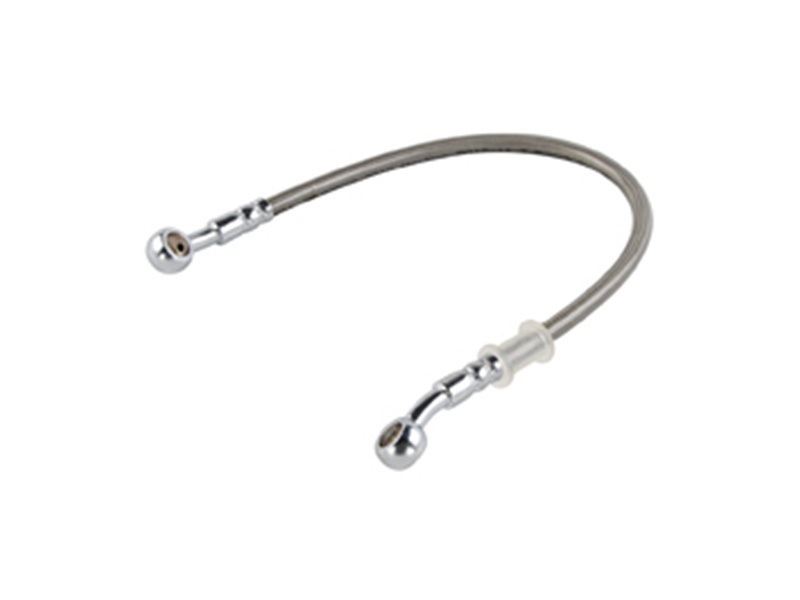
3. **Stainless Steel Braided Hoses**: These offer the best durability and resistance to environmental factors but can be more expensive. They are less prone to expanding under pressure, ensuring consistent braking performance.
The Impact of Temperature on Brake Hoses
Temperature plays a significant role in the performance and lifespan of motorcycle brake hoses. Let's examine how hot and cold weather can affect these critical components.
Effects of High Temperatures
In hot weather, the heat can cause rubber hoses to soften, leading to potential deformation. This can affect the braking system's efficiency, potentially causing brake fade. Additionally, prolonged exposure to high temperatures can degrade the materials, resulting in cracks or leaks over time.
Preventative Measures for High Heat
- **Regular Inspections**: Check brake hoses for signs of wear, such as cracks or discoloration.
- **Use Quality Hoses**: Consider upgrading to high-performance materials like stainless steel or PTFE, which can better withstand heat.
- **Avoid Overheating**: Be mindful of your riding style; aggressive braking can lead to overheating and wear out hoses faster.
Effects of Low Temperatures
Cold weather presents its own challenges. Low temperatures can cause rubber hoses to become brittle, increasing the risk of cracking during use. Additionally, moisture can freeze within the brake lines, leading to ice formation that can obstruct fluid flow.
Preventative Measures for Low Temperature
- **Winterizing**: Before the cold sets in, ensure your motorcycle is stored properly. Use a heated garage if possible.
- **Inspect for Moisture**: Regularly check for signs of water accumulation within brake lines and hoses.
- **Choose the Right Materials**: Opt for brake hoses designed to withstand lower temperatures.
Effects of Rain and Humidity
Rainy weather and high humidity can also significantly affect motorcycle brake hoses. Water can seep into the brake lines, potentially mixing with the hydraulic fluid and leading to reduced performance.
Hydration and Its Consequences
When water gets into the brake fluid, it can lead to corrosion of internal components, which can severely impact braking efficiency. Furthermore, moisture in the air can cause rubber hoses to swell, potentially leading to leaks or ruptures.
Preventative Measures for Rain and Humidity
- **Brake Fluid Maintenance**: Regularly check and replace brake fluid according to the manufacturer’s recommendations.
- **Seal Cracks**: Ensure the brake hose connections are tight and free from cracks to prevent moisture ingress.
- **Dry Storage**: When not in use, store the motorcycle in a dry location to minimize exposure to humidity.
Effects of UV Exposure
Ultraviolet (UV) rays from the sun can also degrade rubber brake hoses over time, leading to cracks and loss of elasticity. This deterioration can significantly reduce the lifespan of the brake hose.
Mitigating UV Damage
- **Use UV-Resistant Materials**: When replacing hoses, choose those treated for UV resistance.
- **Regular Inspections**: Keep an eye on the condition of hoses, especially if the bike is regularly parked outside.
- **Protective Covers**: Consider using a cover for your motorcycle when parked outdoors to shield it from direct sunlight.
Regional Weather Considerations
Depending on where you live, weather conditions can vary widely. Understanding how local climates affect your motorcycle brake hoses can help you take appropriate precautions.
Desert Climates
In arid regions, high temperatures and low humidity can lead to rapid deterioration of rubber hoses. Ensuring that your motorcycle is regularly inspected for signs of wear is essential.
Coastal Climates
If you live near the coast, saltwater exposure can accelerate corrosion on metal components and degrade rubber hoses. Regular cleaning and maintenance practices become crucial in these environments.
Mountainous Regions
Higher altitudes often lead to temperature fluctuations. In such areas, ensure that brake hoses are designed to handle the diverse conditions, from hot sun to freezing temperatures.
Routine Maintenance of Brake Hoses
To maximize the lifespan of your motorcycle brake hoses, consider implementing a routine maintenance plan that includes:
Regular Inspections
Inspect brake hoses for any visible signs of wear, such as cracking, bulging, or discoloration. Doing so can prevent small issues from escalating into larger, more expensive problems.
Fluid Replacement
Change brake fluid according to your motorcycle manufacturer’s recommendations. Old fluid can absorb water and lead to corrosion within the braking system.
Professional Servicing
Consider having your motorcycle serviced by a professional mechanic regularly. A trained technician can spot potential issues that may go unnoticed during a basic inspection.
FAQs about Motorcycle Brake Hoses and Weather Conditions
1. How often should I inspect my motorcycle brake hoses?
It's advisable to inspect your brake hoses every time you perform routine maintenance or at least once a month, especially before long rides.
2. What are the signs of a failing brake hose?
Signs include visible cracks, bulges, discoloration, leaking fluid, or a spongy brake lever.
3. Can I use standard rubber hoses for high-performance motorcycles?
While standard rubber hoses may suffice for casual riding, high-performance motorcycles benefit more from advanced materials like PTFE or stainless steel braided hoses.
4. What should I do if I notice a crack in my brake hose?
If you discover a crack, replace the hose immediately. Continuing to ride with a damaged hose can result in brake failure and pose a serious safety risk.
5. How do I prevent moisture accumulation in my brake lines?
Regularly change your brake fluid, and ensure that the connections are tight and free from cracks to minimize moisture ingress.
Conclusion
Understanding how weather conditions affect your motorcycle brake hose is essential for safe riding. From temperature extremes to humidity and UV exposure, every factor plays a role in the performance and longevity of these critical components. By implementing regular maintenance practices and being mindful of the materials used, riders can significantly enhance their braking systems' reliability. Stay informed and proactive to ensure a safe and enjoyable riding experience, regardless of the weather.
Key words:
Previous article
Previous:
Recommended News
How Weather Conditions Affect Your Motorcycle Brake Hose: Insights for Safe Riding
How Weather Conditions Affect Your Motorcycle Brake Hose
Understanding Motorcycle Brake Hoses
Motorcycle brake hoses are crucial components of a bike's braking system, responsible for transferring hydraulic fluid from the master cylinder to the brake calipers. This process ensures that when a rider pulls the brake lever, the bike slows down or stops effectively. Given their importance, ensuring th


Contact Us
+86-15369891688 (same as WeChat)
Xikang Industrial Zone, 4889 Renmin West Road, Taocheng District, Hengshui City
online message