

-
About BrakeHengshui Brake Hose Machinery Co., Ltd. is located within the Beijing-Kowloon, Beijing-Shanghai, and Shide lines. There is Shihuang Expressway in the north and Hengshui Lake tourist attraction in the south. The environment is beautiful and the geographical location is superior.

-
ProductsThe main production of automobile, motorcycle brake hose, brake steel hose, Teflon brake hose, nylon brake hose, excellent product quality and performance, by the majority of users alike.
-
NewsThe company with sophisticated equipment, advanced technology, high-quality staff, to user requirements for the purpose, warmly welcome new and old users at home and abroad to visit and guide.
The Ultimate Guide to Best Practices for Inspecting Your Motorcycle Brake Hose
2026-02-27
The Ultimate Guide to Best Practices for Inspecting Your Motorcycle Brake Hose
When it comes to motorcycle safety, the brake system stands out as one of the most critical components. Among the various elements of this system, the brake hose plays a pivotal role in ensuring effective braking performance. In this comprehensive guide, we will explore the best practices for inspecting your motorcycle brake hose, helping you maintain optimal safety while enjoying your ride.
Table of Contents
- 1. Understanding the Brake Hose
- 2. Signs of Wear and Damage
- 3. Tools and Equipment Needed for Inspection
- 4. Step-by-Step Inspection Process
- 5. Common Inspection Mistakes to Avoid
- 6. Routine Maintenance Tips for Brake Hoses
- 7. When to Replace Your Brake Hose
- 8. Conclusion
- 9. FAQs
1. Understanding the Brake Hose
The brake hose is an essential part of your motorcycle's braking system, allowing hydraulic fluid to travel from the brake master cylinder to the brake caliper. This connection is vital for maintaining pressure, which in turn actuates the braking mechanism. Understanding the role of the brake hose is crucial for ensuring your motorcycle performs optimally and remains safe on the road.
1.1 Types of Brake Hoses
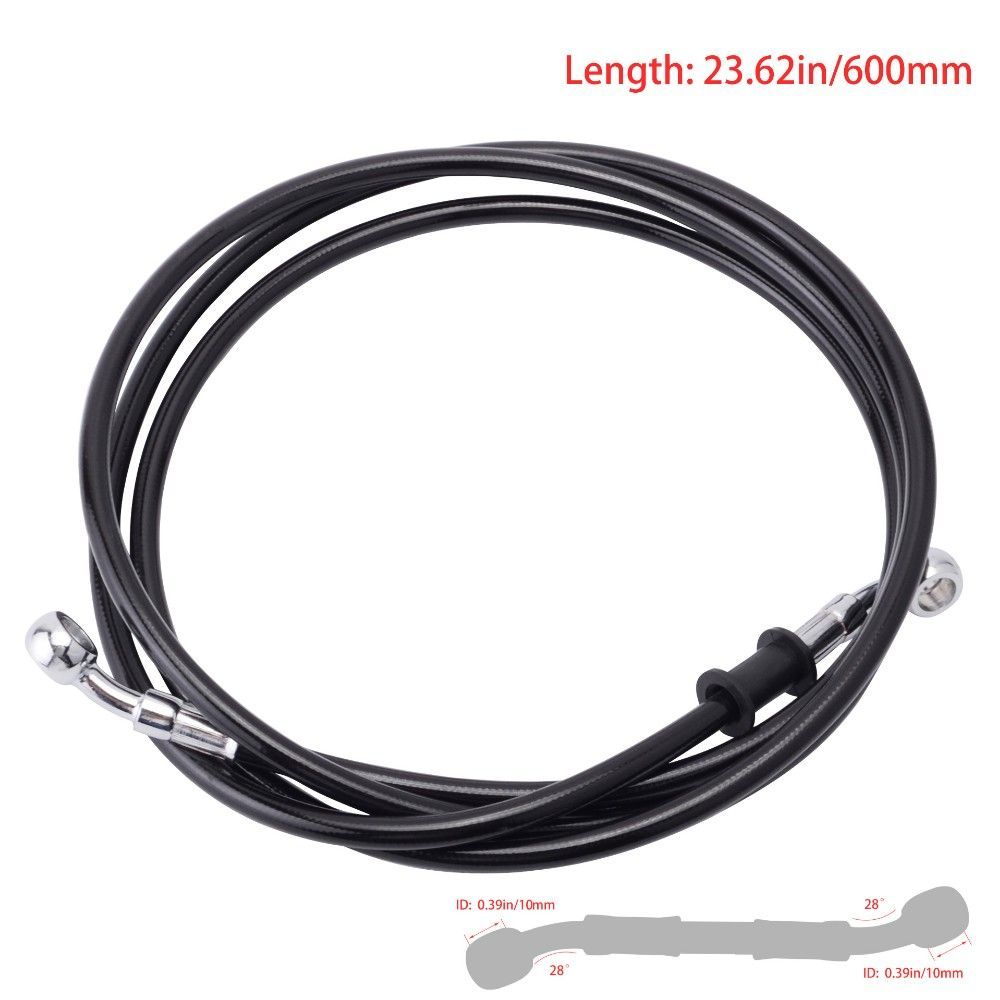
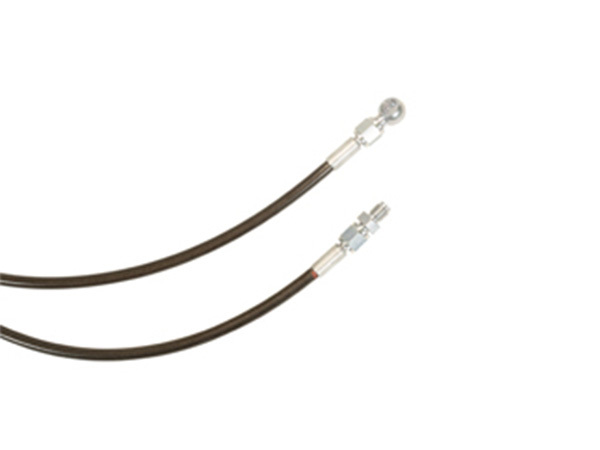
There are generally two types of brake hoses used in motorcycles: rubber hoses and stainless steel braided hoses. Rubber hoses are more common due to their flexibility and cost-effectiveness. However, stainless steel braided hoses offer superior durability and resistance to wear, making them an excellent choice for performance motorcycles.
2. Signs of Wear and Damage
Recognizing signs of wear and damage on your brake hose can be a lifesaver. Some common indicators include:
- Cracks or Cuts: Inspect the surface for any visible damage.
- Bulging: Any signs of swelling may indicate internal pressure issues.
- Leaking Fluid: Look for any brake fluid leaking around the hose connections.
- Discoloration: Fading or discoloration can suggest degradation over time.
3. Tools and Equipment Needed for Inspection
Before you begin inspecting your motorcycle brake hose, gather the following tools and equipment:
- Safety Goggles: Protect your eyes from brake fluid.
- Wrenches: For loosening hose fittings.
- Flashlight: To illuminate hard-to-see areas.
- Brake Fluid Tester: To check the condition of the fluid.
- Cleaning Rags: For wiping any spilled fluid.
4. Step-by-Step Inspection Process
Follow these steps to effectively inspect your motorcycle brake hose:
4.1 Visual Inspection
Start with a thorough visual inspection of the brake hose. Look for any physical damages, such as cracks, bulges, or leaks. Check the fittings to ensure they are secure and free from corrosion.
4.2 Check Fluid Condition
Using a brake fluid tester, assess the condition of your brake fluid. Contaminated fluid can lead to hose degradation and impair braking performance. If the fluid appears dark or has debris, it may be time for a change.
4.3 Pressure Test
Activate the brake lever while observing the hose for any signs of swelling or leakage. This pressure test can help identify issues that may not be visible during a static inspection.
4.4 Connection Tightness
Ensure that all connections are tight. Loose connections can lead to fluid loss and compromised braking efficiency.
5. Common Inspection Mistakes to Avoid
While inspecting your motorcycle brake hose, it is crucial to avoid common pitfalls:
- Neglecting Regular Inspections: Make inspections a routine part of your motorcycle maintenance.
- Ignoring Fluid Condition: Don’t overlook the importance of checking brake fluid regularly.
- Using Improper Tools: Ensure you have the right tools for a thorough inspection.
- Rushing the Process: Take your time to thoroughly inspect every inch of the brake hose.
6. Routine Maintenance Tips for Brake Hoses
To prolong the life of your brake hose, incorporate these maintenance tips into your routine:
- Regular Cleanliness: Keep the brake hose free from dirt and debris.
- Fluid Changes: Change your brake fluid according to the manufacturer’s recommendations.
- Inspect During Oil Changes: Make it a habit to inspect the brake hose each time you perform an oil change.
- Store Properly: Ensure your motorcycle is stored in a climate-controlled environment to prevent hose degradation.
7. When to Replace Your Brake Hose
Knowing when to replace your brake hose is vital for safety. Consider replacement if you observe:
- Cracking or Severe Damage: If the hose shows significant wear, it is time for a replacement.
- Persistent Leaks: Leaks that cannot be fixed suggest the need for a new hose.
- Age: Brake hoses should generally be replaced every 4-6 years regardless of condition.
8. Conclusion
Regularly inspecting your motorcycle brake hose is essential for ensuring your safety while riding. By understanding the signs of wear, adhering to a meticulous inspection process, and implementing routine maintenance, you can significantly enhance your motorcycle's braking performance. Remember, the brake hose is not just a part of your motorcycle; it is a lifeline that ensures your safety on the road. Take the time to inspect it properly and replace it when necessary to enjoy safe and reliable rides.
9. FAQs
What is the typical lifespan of a motorcycle brake hose?
On average, a motorcycle brake hose should be replaced every 4-6 years, but this can vary based on usage and environmental conditions.
How can I tell if my brake fluid is contaminated?
If your brake fluid appears dark or contains particles, it is likely contaminated and should be replaced.
Can I repair a leaking brake hose?
While minor leaks can sometimes be fixed, it is generally recommended to replace a leaking brake hose for safety reasons.
How often should I inspect my brake hose?
It is advisable to inspect your motorcycle brake hose regularly, at least once per month or during every oil change.
What tools do I need to inspect my brake hose?
Basic tools include wrenches, a flashlight, a brake fluid tester, and safety goggles for protection.
With this guide, you are now equipped to ensure your motorcycle brake hose remains in optimal condition, contributing to a safe and enjoyable riding experience.
Key words:
Previous article
Previous:
Recommended News
The Ultimate Guide to Best Practices for Inspecting Your Motorcycle Brake Hose

Contact Us
+86-15369891688 (same as WeChat)
Xikang Industrial Zone, 4889 Renmin West Road, Taocheng District, Hengshui City
online message