

-
About BrakeHengshui Brake Hose Machinery Co., Ltd. is located within the Beijing-Kowloon, Beijing-Shanghai, and Shide lines. There is Shihuang Expressway in the north and Hengshui Lake tourist attraction in the south. The environment is beautiful and the geographical location is superior.

-
ProductsThe main production of automobile, motorcycle brake hose, brake steel hose, Teflon brake hose, nylon brake hose, excellent product quality and performance, by the majority of users alike.
-
NewsThe company with sophisticated equipment, advanced technology, high-quality staff, to user requirements for the purpose, warmly welcome new and old users at home and abroad to visit and guide.
How to Choose the Right Electric Car Brake Hose for Your Vehicle
2025-01-05
How to Choose the Right Electric Car Brake Hose for Your Vehicle
Choosing the right brake hose for your electric vehicle (EV) is crucial to ensuring both safety and efficiency. The brake hose is a vital component of the braking system, responsible for transferring brake fluid from the master cylinder to the brake calipers. An inadequate or poorly chosen brake hose can lead to brake failure, which poses serious safety risks. In this article, we will guide you through the process of selecting the right electric car brake hose, covering everything from materials and compatibility to maintenance and installation tips.
Understanding Electric Car Brake Systems
Before diving into the specifics of brake hoses, it is essential to understand how electric car braking systems function. Most electric vehicles utilize hydraulic braking systems, which rely on brake fluid to function effectively. This fluid transfers force from the brake pedal to the brake components, allowing the vehicle to decelerate or come to a complete stop. Understanding the components of your EV's braking system, including the brake hoses, will assist in making informed decisions during your selection process.
The Role of Brake Hoses in Electric Vehicles
Brake hoses are designed to withstand extreme pressures and temperatures while maintaining flexibility and durability. They connect various components in the braking system, enabling the effective transfer of brake fluid. Selecting the right brake hose is essential for achieving optimal braking performance and ensuring the longevity of the braking system.
Key Factors to Consider When Choosing Brake Hoses
1. Material and Construction
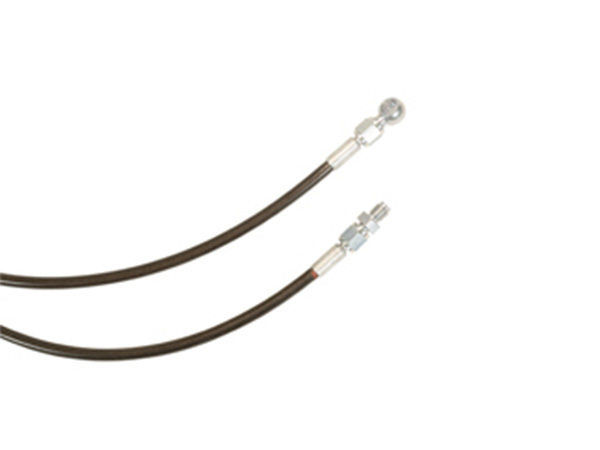
Brake hoses are typically made from rubber or reinforced materials. Rubber hoses are flexible and cost-effective but may degrade faster over time, especially in extreme weather conditions. Reinforced hoses, often made of braided stainless steel or other composite materials, offer superior durability and resistance to wear and pressure. Consider your driving conditions and choose a material that best suits your needs.
2. Length and Compatibility
Brake hose length is crucial for ensuring proper installation and functionality. You should measure the distance between the brake components in your electric vehicle and select a hose that fits comfortably without being overly tight or too loose. Additionally, ensure that the hose is compatible with your EV's braking system and other components. Always refer to the vehicle’s manual or consult with a professional mechanic if in doubt.
3. Pressure Rating
All brake hoses have a specified pressure rating that indicates their ability to withstand hydraulic pressure without failing. It's imperative to select a brake hose with a pressure rating that meets or exceeds the requirements of your vehicle’s braking system. Using a hose with an inadequate pressure rating can lead to catastrophic failure during operation.
4. Certifications and Standards
Choose brake hoses that meet industry standards and certifications. Look for hoses labeled with the DOT (Department of Transportation) or SAE (Society of Automotive Engineers) certifications. These standards assure that the products have undergone rigorous testing and meet safety and performance criteria.
5. Brand Reputation
Selecting a reputable brand can significantly impact the quality and reliability of the brake hose. Research trusted manufacturers known for producing high-quality automotive components. Reviews and recommendations from other EV owners can also provide insights into the best brands available in the market.
Installation of Electric Car Brake Hoses
Preparation Steps
Before installing a new brake hose, it is essential to gather the necessary tools and materials. You will need:
- Wrenches
- Brake fluid
- Brake hose
- Rags for cleanup
- Safety goggles and gloves
Removal of the Old Brake Hose
To replace the old brake hose, start by safely lifting your electric vehicle and removing the wheel for better access to the brake components. Carefully disconnect the old brake hose from both ends. Be cautious as brake fluid may leak during the process. Use rags to wipe up any spills and prevent damage to the vehicle’s paint.
Installing the New Brake Hose
Once the old hose is removed, install the new brake hose by connecting it to the correct fittings. Ensure that all connections are tight and secure. Using the appropriate torque specifications from your vehicle’s manual will help prevent leaks and ensure safety.
Maintenance and Inspection of Brake Hoses
Regular Inspections
Regular inspections of your brake hoses are essential to ensure continued performance and safety. Look for signs of wear, such as cracks, bulges, or discoloration. If you notice any abnormalities, it may be time to replace the hose. Additionally, be sure to check the connections for leaks or corrosion.
Fluid Replacement
Brake fluid can absorb moisture over time, leading to decreased performance and potential damage to the braking system. It's advisable to replace the brake fluid every two years or as recommended by your vehicle’s manufacturer. During this process, inspect the brake hoses for any signs of wear or damage.
Frequently Asked Questions (FAQs)
1. How often should I replace my electric car brake hose?
It's generally recommended to inspect your brake hoses every two years and replace them if any signs of wear or damage are present.
2. Can I use any brake hose for my electric vehicle?
No, it is crucial to select a brake hose that is compatible with your specific vehicle model and braking system.
3. What are the signs that my brake hose needs to be replaced?
Signs include visible wear such as cracks or bulges, leaks, and a spongy brake pedal feel.
4. Is it necessary to use OEM (Original Equipment Manufacturer) brake hoses?
While OEM hoses are often recommended for compatibility, high-quality aftermarket hoses can also be suitable if they meet the required specifications.
5. How can I ensure the longevity of my brake hoses?
Regular inspections, proper installation, and timely replacement of brake fluid can help in maintaining the longevity of your brake hoses.
Conclusion
Selecting the right electric car brake hose is integral to ensuring safe and reliable braking performance. By taking into account factors such as material, compatibility, pressure ratings, and manufacturer reputability, you can make informed choices that enhance your vehicle's safety. Regular maintenance and timely replacements will help extend the life of your braking system, ensuring a smooth and secure driving experience. Always consult with professionals or refer to your vehicle's manual for specific recommendations and guidance.
Key words:
Recommended News
Comparing Different Materials Used in Color Modified Brake Hoses

Contact Us
+86-15369891688 (same as WeChat)
Xikang Industrial Zone, 4889 Renmin West Road, Taocheng District, Hengshui City
online message