
-
About BrakeHengshui Brake Hose Machinery Co., Ltd. is located within the Beijing-Kowloon, Beijing-Shanghai, and Shide lines. There is Shihuang Expressway in the north and Hengshui Lake tourist attraction in the south. The environment is beautiful and the geographical location is superior.

-
ProductsThe main production of automobile, motorcycle brake hose, brake steel hose, Teflon brake hose, nylon brake hose, excellent product quality and performance, by the majority of users alike.
-
NewsThe company with sophisticated equipment, advanced technology, high-quality staff, to user requirements for the purpose, warmly welcome new and old users at home and abroad to visit and guide.
Top Features to Look for in Brake Tubing for Motorcycle Tricycles
2025-01-14
Top Features to Look for in Brake Tubing for Motorcycle Tricycles
Motorcycle tricycles, known for their stability and ease of handling, have garnered popularity among various riders. A critical component of these vehicles is the brake system, which ensures safety and performance. Among the various elements of a braking system, **brake tubing** plays a pivotal role. This article delves deep into the top features to consider when selecting brake tubing for motorcycle tricycles, ensuring that your ride remains smooth and safe.
Understanding Brake Tubing: The Backbone of Your Braking System
Brake tubing is responsible for transferring brake fluid from the master cylinder to the brake calipers. Its role is paramount, as any failure in this system could lead to catastrophic outcomes. The selection of appropriate brake tubing can significantly affect your motorcycle tricycle's overall performance and safety.
Key Features to Consider When Choosing Brake Tubing
When it comes to brake tubing, there are several features that riders must evaluate to ensure they are making an informed decision regarding their motorcycle tricycle's safety and performance.
1. Material Composition: The Foundation of Durability
The material of the brake tubing is one of the most critical factors to consider. Common materials include rubber, stainless steel, and braided steel.
- **Rubber Tubing**: While flexible and easy to install, rubber tubing may degrade over time, especially when exposed to heat and moisture. It is essential to check for any signs of wear and tear regularly.
- **Stainless Steel Tubing**: This option is resistant to rust and corrosion, offering superior durability. Its strength makes it suitable for high-performance applications.
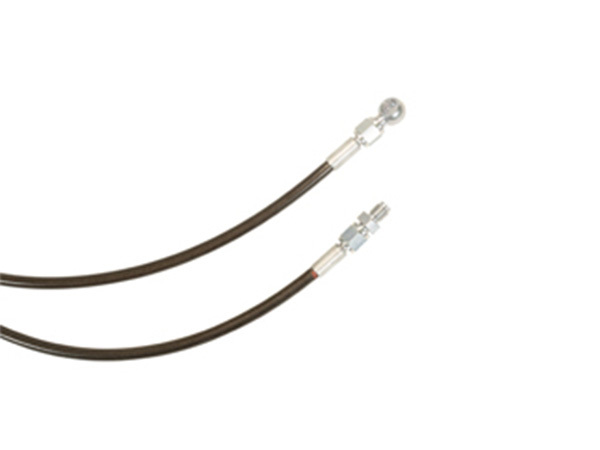
- **Braided Steel Tubing**: Providing the best of both worlds, braided steel tubing combines flexibility with strength. It minimizes expansion under pressure, offering a more responsive braking experience.
2. Pressure Rating: Ensuring Safety Under Stress
Every brake tubing comes with a specified pressure rating. This rating indicates the maximum pressure the tubing can withstand before failing. It is crucial to choose tubing with a pressure rating that exceeds the maximum pressure generated in your brake system. Typically, a rating of at least 1,500 psi is recommended for motorcycle tricycles, ensuring that the tubing can handle sudden applications of pressure without risk.
3. Flexibility and Bend Radius: Performance and Comfort
Flexibility is another vital aspect of brake tubing. Tubing that is too rigid may hinder the overall performance of your brake system, while overly flexible tubing might not provide the necessary pressure retention.
- **Bend Radius**: This refers to the tightness of the curve that the tubing can handle without kinking. A larger bend radius ensures that the tubing can navigate complex routing without compromising performance.
4. Temperature Resistance: Performance in Extreme Conditions
Motorcycle tricycles often operate in varying environmental conditions. Therefore, it is essential to choose brake tubing that can withstand extreme temperatures without degrading.
- **High-Temperature Resistance**: Look for tubing designed to operate effectively in temperatures ranging from -40°F to 300°F. This ensures that the tubing remains functional even during intense rides or hot weather.
5. Compatibility: Ensuring a Proper Fit
Brake tubing must be compatible with your motorcycle tricycle's brake system. Different manufacturers may have specific requirements regarding tubing size, threading, and fittings. Always consult your motorcycle's service manual or a professional mechanic to ensure compatibility.
Additional Considerations for Brake Tubing Selection
Beyond the primary features discussed, there are several other elements that riders should consider when selecting brake tubing for their motorcycle tricycles.
6. Certifications and Standards: Assurance of Quality
Choosing brake tubing that adheres to industry standards and certifications can provide assurance of quality and safety. Look for products that meet or exceed the **SAE J1401** standard, which is specifically designed for automotive brake hoses and tubing.
7. Installation Process: Ease and Convenience
Consider the installation process when selecting brake tubing. Some options may require specialized tools or skills for installation, while others are designed for straightforward DIY installation. If you're not comfortable with mechanical work, it might be best to consult a professional for installation.
8. Cost versus Value: Assessing Long-Term Benefits
While it may be tempting to choose the cheapest option available, it's essential to consider the long-term value of the brake tubing. Investing in high-quality materials may incur a higher upfront cost but can save money on repairs and replacements down the line.
Common Questions About Brake Tubing for Motorcycle Tricycles
As riders evaluate brake tubing options, several questions often arise. Here are some frequently asked questions to aid in your decision-making process.
1. How often should I replace my brake tubing?
It is recommended to inspect your brake tubing regularly for any signs of wear or damage. Typically, brake tubing should be replaced every 3-5 years, but this may vary depending on usage and environmental conditions.
2. Can I use automotive brake tubing on my motorcycle tricycle?
While some automotive brake tubing may be compatible, it's essential to choose tubing specifically designed for motorcycle applications to ensure proper fit and performance.
3. What are the signs that my brake tubing needs replacement?
Look for signs such as visible cracks, leaks, or bulges in the tubing. Additionally, if you notice a decrease in braking performance, it's crucial to have your brake system inspected immediately.
4. Is it necessary to use braided steel tubing for my motorcycle tricycle?
While braided steel tubing offers enhanced performance, it may not be necessary for all riders. If you engage in high-performance riding, it may be a worthwhile investment, but standard rubber or stainless steel tubing may suffice for casual riding.
5. How can I ensure the longevity of my brake tubing?
Regular maintenance, including inspections for wear and proper storage away from extreme temperatures and moisture, can significantly extend the life of your brake tubing.
Conclusion: Making an Informed Choice for Your Motorcycle Tricycle
Selecting the right brake tubing for your motorcycle tricycle is crucial to ensuring safety and performance. By considering factors such as material composition, pressure ratings, flexibility, temperature resistance, and compatibility, you can make an informed choice that meets your riding needs. Remember to prioritize quality over cost and consult with professionals when in doubt. By doing so, you can enjoy a safer and more reliable riding experience as you navigate the open road on your motorcycle tricycle.
Key words:
Recommended News
Comparing Different Materials Used in Color Modified Brake Hoses
Comparing Different Materials Used in Color Modified Brake Hoses
Table of Contents
1. Introduction to Brake Hoses and Their Importance
2. What Are Brake Hoses?
3. Importance of Materials in Brake Hoses
4. Common Materials Used in Color Modified Brake Hoses
4.1 Rubber
4.2 Polyurethane
4.3 Nylon
4.4 Stainless Steel

Contact Us
+86-15369891688 (same as WeChat)
Xikang Industrial Zone, 4889 Renmin West Road, Taocheng District, Hengshui City
online message