

-
About BrakeHengshui Brake Hose Machinery Co., Ltd. is located within the Beijing-Kowloon, Beijing-Shanghai, and Shide lines. There is Shihuang Expressway in the north and Hengshui Lake tourist attraction in the south. The environment is beautiful and the geographical location is superior.

-
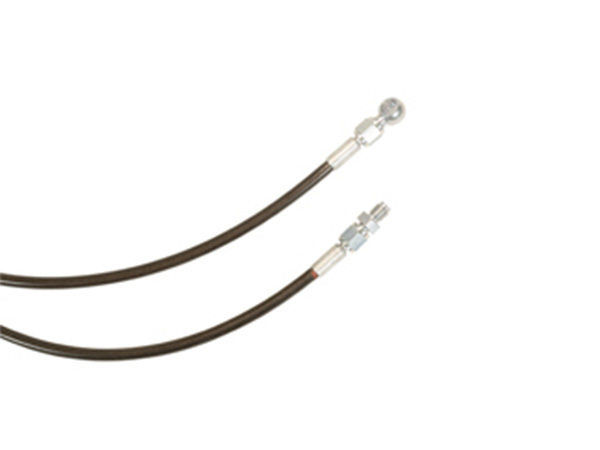
ProductsThe main production of automobile, motorcycle brake hose, brake steel hose, Teflon brake hose, nylon brake hose, excellent product quality and performance, by the majority of users alike.
-
NewsThe company with sophisticated equipment, advanced technology, high-quality staff, to user requirements for the purpose, warmly welcome new and old users at home and abroad to visit and guide.
Why Choosing the Right Fisheye Joint is Crucial for Motorcycle Brake Systems
2025-02-07
Why Choosing the Right Fisheye Joint is Crucial for Motorcycle Brake Systems
Table of Contents
- Introduction to Fisheye Joints in Motorcycle Brake Systems
- The Importance of Fisheye Joints in Brake Systems
- Factors to Consider When Selecting a Fisheye Joint
- Material Quality: The Backbone of Performance
- Size Matters: Ensuring Compatibility
- Design Variations: Understanding Your Options
- Impact on Performance and Safety
- Maintaining Fisheye Joints for Longevity
- Common Issues with Fisheye Joints and Their Solutions
- Frequently Asked Questions
- Conclusion: Making the Right Choice
Introduction to Fisheye Joints in Motorcycle Brake Systems
In the realm of motorcycle brake systems, the **fisheye joint** plays a pivotal role. This often-overlooked component serves as a crucial link between the brake lever and the caliper, allowing for smooth operation and effective braking. Understanding the importance of selecting the right fisheye joint is essential for enhancing both safety and performance on the road.
The Importance of Fisheye Joints in Brake Systems
Fisheye joints may seem like a small part of a motorcycle's braking system, but their impact cannot be underestimated. **They ensure the proper transmission of force** from the brake lever to the brake caliper, directly affecting how well the brakes respond. The right fisheye joint allows for optimal leverage and minimizes the risk of brake failure, which can have catastrophic consequences.
Factors to Consider When Selecting a Fisheye Joint
When it comes to choosing a fisheye joint, several factors come into play. Each factor contributes to the overall performance and safety of your motorcycle’s braking system.
Material Quality: The Backbone of Performance
The material used in the construction of fisheye joints is crucial. High-quality materials such as **aluminum**, **stainless steel**, or **high-grade polymers** can withstand the rigors of motorcycle operation. Choosing a durable material reduces wear and tear, ensuring longevity and improved performance.
Size Matters: Ensuring Compatibility
Fitting a fisheye joint that matches your motorcycle's specifications is essential. An ill-fitting joint can lead to **inconsistent brake performance** and may even pose safety risks. Always consult your motorcycle’s manual or a professional to determine the correct size and type of fisheye joint required.
Design Variations: Understanding Your Options
There are various design options available for fisheye joints. Depending on the specific requirements of your motorcycle's braking system, you may need to choose between different configurations. Understanding the design variations can help in selecting a fisheye joint that enhances performance and provides better feedback during braking.
Impact on Performance and Safety
The choice of fisheye joint directly affects **braking performance**. A well-chosen fisheye joint allows for accurate brake modulation, improving rider control. Conversely, a poor choice can lead to brake lag, reduced stopping power, and increased stopping distances, significantly compromising safety.
Maintaining Fisheye Joints for Longevity
Regular maintenance of fisheye joints is vital to ensuring their longevity and effectiveness. **Routine inspections** can help identify signs of wear and tear. Lubricating joints and checking for proper fit are essential maintenance tasks. Neglecting these components can lead to premature failure.
Common Issues with Fisheye Joints and Their Solutions
Fisheye joints can experience various issues over time, including:
- **Corrosion**: A common issue in humid environments, which affects performance. Regular cleaning and using corrosion-resistant materials can mitigate this.
- **Wear and Tear**: Over time, joints may wear down. Regular inspection is key to replacing worn joints before they fail.
- **Misalignment**: If not correctly installed, fisheye joints can misalign, leading to inconsistent braking. Professional installation ensures proper alignment.
Frequently Asked Questions
1. What is a fisheye joint?
A fisheye joint is a component in motorcycle brake systems that connects the brake lever to the caliper, facilitating smooth brake operation.
2. Why is the material of a fisheye joint important?
The material affects the durability and performance of the joint; high-quality materials resist wear and tear, ensuring effective braking.
3. How do I know which size fisheye joint to choose?
Consult your motorcycle's manual or a professional to determine the correct size and type based on your vehicle's specifications.
4. How can I maintain my fisheye joint?
Routine inspections, cleaning, and proper lubrication are essential to keep fisheye joints in good working condition.
5. What are the signs of a failing fisheye joint?
Signs include reduced braking performance, unusual noises during braking, and visible wear or corrosion.
Conclusion: Making the Right Choice
Choosing the right fisheye joint for your motorcycle’s brake system is a crucial decision that impacts both safety and performance. By considering factors such as material quality, size, and design variations, riders can make informed choices that enhance their overall riding experience. Regular maintenance and awareness of common issues will further ensure the longevity of this vital component. Prioritizing the right fisheye joint ultimately leads to a safer and more enjoyable ride.
Key words:
Recommended News
Comparing Different Materials Used in Color Modified Brake Hoses
Comparing Different Materials Used in Color Modified Brake Hoses
Table of Contents
1. Introduction to Brake Hoses and Their Importance
2. What Are Brake Hoses?
3. Importance of Materials in Brake Hoses
4. Common Materials Used in Color Modified Brake Hoses
4.1 Rubber
4.2 Polyurethane
4.3 Nylon
4.4 Stainless Steel


Contact Us
+86-15369891688 (same as WeChat)
Xikang Industrial Zone, 4889 Renmin West Road, Taocheng District, Hengshui City
online message