

-
About BrakeHengshui Brake Hose Machinery Co., Ltd. is located within the Beijing-Kowloon, Beijing-Shanghai, and Shide lines. There is Shihuang Expressway in the north and Hengshui Lake tourist attraction in the south. The environment is beautiful and the geographical location is superior.

-
ProductsThe main production of automobile, motorcycle brake hose, brake steel hose, Teflon brake hose, nylon brake hose, excellent product quality and performance, by the majority of users alike.
-
NewsThe company with sophisticated equipment, advanced technology, high-quality staff, to user requirements for the purpose, warmly welcome new and old users at home and abroad to visit and guide.
Understanding Brake Hoses: Essential Components for Vehicle Safety
2025-03-02
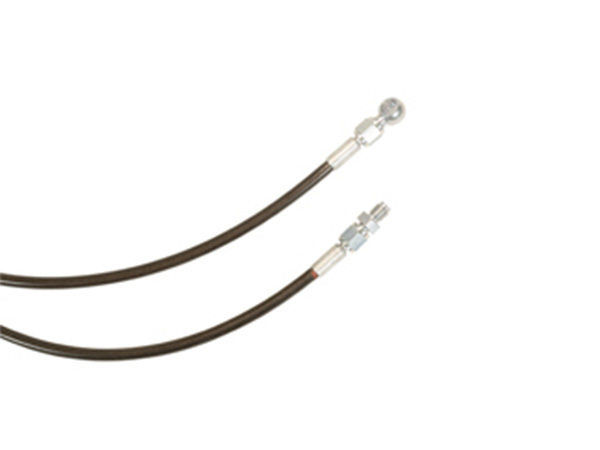
Brake hoses are flexible tubes that connect the brake calipers and wheel cylinders to the vehicle's master cylinder. They serve a crucial purpose in the hydraulic brake system, allowing brake fluid to flow from the master cylinder to the brakes at each wheel. This process is essential for transferring the force generated by the driver’s foot on the brake pedal, ultimately bringing the vehicle to a stop.
The construction of brake hoses typically involves reinforced rubber or synthetic materials designed to withstand the high pressures and temperatures generated during braking. The inner lining is often made of materials resistant to the corrosive properties of brake fluid, while the outer layer provides protection against abrasions, environmental factors, and exposure to various chemicals. The durability and integrity of brake hoses are paramount because any failure can compromise the entire braking system, leading to potential accidents.
Regular inspection of brake hoses is vital for vehicle safety. Over time, hoses can become worn, cracked, or bulged due to factors such as age, exposure to heat, or contact with road debris. Signs of wear may include visible cracks, leaks, or a spongy brake feel. If any of these symptoms are present, it is crucial to have the brake hoses inspected and replaced if necessary, as compromised hoses can lead to brake failure.
Additionally, brake hoses are often overlooked during routine maintenance, but they should be included in regular inspections along with other brake components such as pads, rotors, and fluid levels. A proactive approach to vehicle maintenance not only enhances safety but also contributes to the longevity of the braking system.
When it comes to replacing brake hoses, it is essential to choose high-quality components that meet the specific requirements of your vehicle. Proper installation is equally important, as incorrect assembly can create leaks or lead to premature failure. It's advisable to have brake hoses installed by a qualified professional who understands the intricacies of automotive braking systems.
In conclusion, brake hoses are a fundamental component of any vehicle's braking system, ensuring effective and safe braking performance. Understanding their function, keeping an eye out for signs of wear, and ensuring proper maintenance can significantly enhance road safety. As a vehicle owner or enthusiast, prioritizing the integrity of your brake hoses is a crucial step in safeguarding your driving experience. Always remember, a well-maintained braking system is key to both your safety and the safety of others on the road.
Key words:
Recommended News
Comparing Different Materials Used in Color Modified Brake Hoses
Comparing Different Materials Used in Color Modified Brake Hoses
Table of Contents
1. Introduction to Brake Hoses and Their Importance
2. What Are Brake Hoses?
3. Importance of Materials in Brake Hoses
4. Common Materials Used in Color Modified Brake Hoses
4.1 Rubber
4.2 Polyurethane
4.3 Nylon
4.4 Stainless Steel

Contact Us
+86-15369891688 (same as WeChat)
Xikang Industrial Zone, 4889 Renmin West Road, Taocheng District, Hengshui City
online message