

-
About BrakeHengshui Brake Hose Machinery Co., Ltd. is located within the Beijing-Kowloon, Beijing-Shanghai, and Shide lines. There is Shihuang Expressway in the north and Hengshui Lake tourist attraction in the south. The environment is beautiful and the geographical location is superior.

-
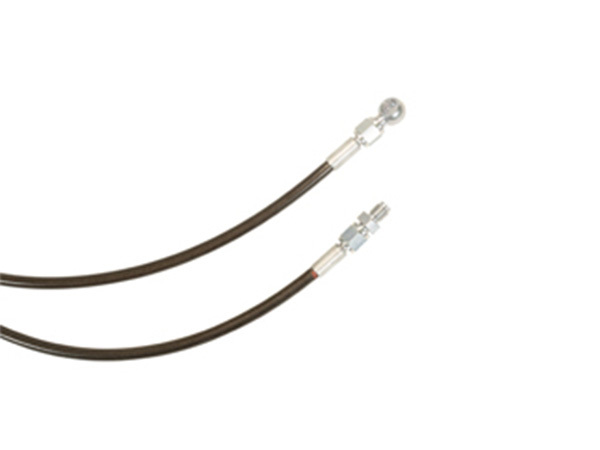
ProductsThe main production of automobile, motorcycle brake hose, brake steel hose, Teflon brake hose, nylon brake hose, excellent product quality and performance, by the majority of users alike.
-
NewsThe company with sophisticated equipment, advanced technology, high-quality staff, to user requirements for the purpose, warmly welcome new and old users at home and abroad to visit and guide.
Essential Tools for Working on Motorcycle Brake Oil Pipe Joint Fisheye Joints
2026-04-17
Essential Tools for Working on Motorcycle Brake Oil Pipe Joint Fisheye Joints
Motorcycle maintenance is a critical factor in ensuring the longevity and performance of the vehicle, and the brake system is one of the most vital components. Among the various parts of the brake system, the brake oil pipe joint, particularly the fisheye joint, plays a crucial role in maintaining safe braking performance. This article outlines the essential tools needed for working on these components, providing a comprehensive overview to help you carry out your maintenance tasks efficiently.
Understanding Motorcycle Brake Systems
Before diving into the tools required for working on brake oil pipe joints, it's imperative to have a basic understanding of how motorcycle brake systems function. The braking system generally consists of several components, including the brake lever, calipers, brake lines, and, of course, the brake oil pipe joints. These parts work together to convert the force applied at the lever into hydraulic pressure, allowing the motorcycle to decelerate effectively.
The Role of Fisheye Joints in Brake Systems
Fisheye joints are designed to allow rotational movement while maintaining a secure connection between the brake oil pipes. This flexibility is crucial in ensuring that the brake lines can accommodate the dynamic movements of the motorcycle during operation. However, over time, these joints can wear out, leading to leaks or reduced braking efficiency. Understanding their role highlights the importance of having the right tools to manage their maintenance and replacement.
Essential Tools for Working on Brake Oil Pipe Joint Fisheye Joints
Equipping yourself with the appropriate tools is critical for effectively maintaining the brake oil pipe joint fisheye joints. Below, we detail the essential tools that should be included in your motorcycle maintenance toolkit.
1. Brake Line Wrenches
Specialized brake line wrenches are designed to grip and manipulate the fittings on brake lines without damaging them. These wrenches typically feature a unique design that allows for better torque application, making it easier to loosen or tighten fittings securely.
2. Pipe Cutters
When replacing brake lines or fisheye joints, you'll need a reliable pipe cutter. These tools ensure clean cuts, preventing fraying or damage to the new fittings. A good-quality pipe cutter will also minimize the risk of leaks.
3. Torque Wrench
Proper torque application is vital to ensuring that fittings are securely fastened without risking damage. A torque wrench allows you to apply the correct amount of force, ensuring safety and performance.
4. Flaring Tool Kit
In some cases, you may need to create flared ends on brake lines to ensure a secure connection with the fittings. A flaring tool kit is essential for achieving the right angle and diameter, providing a leak-proof seal.
5. Brake Fluid Bleeder Kit
Air trapped within the brake lines can significantly affect braking performance. A brake fluid bleeder kit enables you to remove air bubbles from the system, ensuring optimal brake performance.
6. Pliers and Adjustable Wrenches
Standard pliers and adjustable wrenches are versatile tools that can be used for a variety of tasks when working on brake joints. They are particularly useful for gripping and turning fasteners and fittings.
7. Safety Goggles and Gloves
Safety should always be a priority when working on any mechanical system. Using safety goggles and gloves protects your eyes and hands from potential hazards, such as chemical exposure or sharp edges.
Step-by-Step Guide to Working on Motorcycle Brake Oil Pipe Joint Fisheye Joints
Now that we've discussed the essential tools, let's explore how to use them effectively when working on motorcycle brake oil pipe joint fisheye joints.
Step 1: Preparing Your Workspace
Before beginning any work, ensure you have a clean and organized workspace. Remove any unnecessary items and gather all the tools you’ll need for the task. A well-lit area will also make it easier to see what you're doing.
Step 2: Removing the Old Brake Line
Start by using the brake line wrenches to loosen the fittings on both ends of the brake oil pipe joint. Take care to work slowly and steadily to avoid damaging the fittings. Once loosened, gently remove the old brake line.
Step 3: Cutting the New Brake Line
Using the pipe cutter, measure and cut the new brake line to the required length. Ensure that your cut is straight and clean to prevent issues later on.
Step 4: Flaring the End of the Brake Line
If necessary, use the flaring tool kit to create a proper flare on the newly cut brake line. Follow the manufacturer's instructions for the best results.
Step 5: Installing the New Brake Line
Attach the new brake line to the fittings, ensuring a secure connection. Use your torque wrench to tighten the fittings to the recommended specifications, which can usually be found in the motorcycle's service manual.
Step 6: Bleeding the Brake System
After installing the new brake line, use the brake fluid bleeder kit to remove any air trapped in the system. This process will help restore effective braking performance.
Step 7: Testing the Brakes
Once the installation and bleeding process is complete, test the brakes to ensure they function correctly. This step is critical to ensure your safety while riding.
Common Issues with Brake Oil Pipe Joints and Solutions
Working with motorcycle brake oil pipe joint fisheye joints can sometimes lead to complications. Here are some common issues you might encounter and how to address them.
1. Leaks at the Joint
Leaks can occur if the fittings are not tightened properly or if the flare is imperfect. Ensure you have followed proper torque specifications and inspect the flare for any signs of damage.
2. Air Trapped in the Brake System
Air bubbles can lead to a spongy brake feel. If this occurs, ensure to bleed the brake system thoroughly until all air is removed.
3. Difficulty in Loosening Fittings
Sometimes, rust or corrosion can make it challenging to loosen fittings. Apply penetrating oil and allow it to sit for a while before attempting to loosen the fittings again.
Maintenance Tips for Brake Oil Pipe Joint Fisheye Joints
Keeping your brake oil pipe joint fisheye joints in good condition is vital for maintaining a safe motorcycle. Here are some proactive maintenance tips:
1. Regular Inspections
Conduct regular inspections of your brake system, checking for signs of wear, leaks, or corrosion. Early detection can prevent more extensive repairs later.
2. Use Quality Brake Fluid
Always use high-quality brake fluid that meets the specifications for your motorcycle. This practice ensures optimal performance and can extend the life of your brake components.
3. Replace Old Components Promptly
If you notice any signs of wear or damage to your brake oil pipe joints or fisheye joints, replace them immediately. Delaying this can lead to compromised safety.
4. Follow Manufacturer Guidelines
Refer to your motorcycle's service manual for specific maintenance schedules and guidelines. Following these recommendations will help ensure the longevity and performance of your braking system.
Frequently Asked Questions (FAQs)
1. How often should I inspect my motorcycle brake system?
We recommend inspecting your motorcycle brake system at least once a month, or more frequently if you ride regularly.
2. What type of brake fluid should I use for my motorcycle?
Always refer to your motorcycle's service manual for the specific type of brake fluid recommended by the manufacturer.
3. Can I replace the brake oil pipe joint myself?
Yes, with the right tools and knowledge, you can replace the brake oil pipe joint yourself. However, ensure you follow safety protocols and manufacturer guidelines.
4. What are the signs that my brake oil pipe joints need replacing?
Signs include visible leaks, reduced braking performance, and corrosion around the joints.
5. Is it necessary to bleed the brakes after replacing the brake line?
Yes, bleeding the brakes is crucial to remove any air trapped in the system, ensuring optimal braking performance.
Conclusion
Working on motorcycle brake oil pipe joint fisheye joints requires the right tools and knowledge to ensure safe and optimal performance. By equipping yourself with essential tools, following proper procedures, and practicing regular maintenance, you can keep your motorcycle's braking system in excellent condition. Remember that safety is paramount—never hesitate to consult a professional if you're unsure about any steps in the process.
Key words:
Previous article
Recommended News
Essential Tools for Working on Motorcycle Brake Oil Pipe Joint Fisheye Joints
Essential Tools for Working on Motorcycle Brake Oil Pipe Joint Fisheye Joints
Motorcycle maintenance is a critical factor in ensuring the longevity and performance of the vehicle, and the brake system is one of the most vital components. Among the various parts of the brake system, the brake oil pipe joint, particularly the fisheye joint, plays a crucial role in maintaining safe braking performanc

Contact Us
+86-15369891688 (same as WeChat)
Xikang Industrial Zone, 4889 Renmin West Road, Taocheng District, Hengshui City
online message