

-
About BrakeHengshui Brake Hose Machinery Co., Ltd. is located within the Beijing-Kowloon, Beijing-Shanghai, and Shide lines. There is Shihuang Expressway in the north and Hengshui Lake tourist attraction in the south. The environment is beautiful and the geographical location is superior.

-
ProductsThe main production of automobile, motorcycle brake hose, brake steel hose, Teflon brake hose, nylon brake hose, excellent product quality and performance, by the majority of users alike.
-
NewsThe company with sophisticated equipment, advanced technology, high-quality staff, to user requirements for the purpose, warmly welcome new and old users at home and abroad to visit and guide.
Exploring Different Types of Motorcycle Brake Hoses: A Comprehensive Guide
2026-04-10
Exploring Different Types of Motorcycle Brake Hoses
Introduction to Motorcycle Brake Hoses
Motorcycle braking systems are vital for safety, performance, and overall riding experience. Among the various components that contribute to effective braking, the **brake hose** plays a critical role. Understanding the different types of motorcycle brake hoses, their materials, and their functionalities can greatly influence a rider's safety and comfort. In this article, we delve into the world of motorcycle brake hoses, exploring their types, characteristics, and the factors that influence their selection.
Table of Contents
1. Understanding Motorcycle Brake Hose Basics
2. Importance of Brake Hose Quality
3. Types of Motorcycle Brake Hoses
3.1 Rubber Brake Hoses
3.2 Stainless Steel Brake Hoses
3.3 PTFE (Teflon) Brake Hoses
4. Key Features of Brake Hoses
5. How to Choose the Right Brake Hose for Your Motorcycle
6. Maintenance Tips for Motorcycle Brake Hoses
7. Common Issues with Brake Hoses
8. Frequently Asked Questions (FAQs)
9. Conclusion
1. Understanding Motorcycle Brake Hose Basics
A motorcycle brake hose is a flexible tube that connects the brake calipers to the master cylinder. It transmits hydraulic fluid under pressure, enabling the braking system to function effectively. The **brake hose** must withstand high pressures and extreme conditions, making material choice and construction crucial to performance and safety.
2. Importance of Brake Hose Quality
The quality of a motorcycle brake hose directly impacts the entire braking system. A high-quality hose enhances responsiveness, reduces the chances of failure, and ultimately ensures rider safety. In contrast, inferior materials can lead to brake fluid leaks, reduced braking force, and compromised safety. Therefore, investing in a reliable and durable brake hose is essential for every motorcycle rider.
3. Types of Motorcycle Brake Hoses
Motorcycle brake hoses come in various types, each designed to cater to specific needs and preferences. Below, we explore the most common brake hose types used in motorcycles.
3.1 Rubber Brake Hoses
Rubber brake hoses are the traditional choice for many motorcycles. They are flexible, cost-effective, and can withstand normal temperature and pressure ranges. However, over time, rubber hoses may degrade due to exposure to heat, oil, and UV light. Riders should regularly inspect rubber hoses for signs of wear, such as cracking and swelling, to ensure optimal performance.
3.2 Stainless Steel Brake Hoses
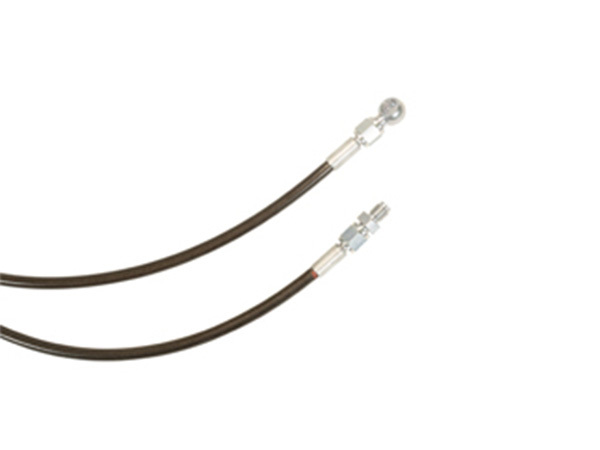
Stainless steel brake hoses offer superior strength and durability compared to rubber hoses. They feature a braided stainless steel exterior that protects the inner rubber hose from abrasion and damage. This type of hose is known for its increased resistance to expansion under pressure, providing a firmer and more responsive brake feel. Stainless steel hoses are particularly favored by performance motorcycle riders who seek enhanced braking efficiency and reliability.
3.3 PTFE (Teflon) Brake Hoses
PTFE brake hoses, often referred to as Teflon hoses, are designed for high-performance applications. These hoses offer exceptional resistance to heat and chemicals, making them ideal for racing and extreme riding conditions. The inner Teflon lining reduces friction, enhancing fluid flow and providing a consistent brake feel. Although they tend to be more expensive, PTFE hoses are regarded as the gold standard for serious motorcycle enthusiasts.
4. Key Features of Brake Hoses
When selecting motorcycle brake hoses, several key features must be considered:
- **Pressure Rating**: Brake hoses must be able to withstand the hydraulic pressure generated by the braking system. Ensure the chosen hose meets or exceeds the motorcycle manufacturer's specifications.
- **Flexibility**: A flexible hose allows for easier installation and routing around other components. However, excessive flexibility may lead to spongy brakes, so finding a balance is vital.
- **Durability**: Materials used in the hose construction should resist wear and tear, environmental factors, and chemical exposure.
- **Compatibility**: Ensure that the hose fits your motorcycle's braking system. Consider the connection types, lengths, and mounting points.
5. How to Choose the Right Brake Hose for Your Motorcycle
Choosing the right brake hose involves several considerations:
- **Riding Style**: Consider how you use your motorcycle. Casual riders may prefer rubber hoses, while performance enthusiasts might opt for stainless steel or PTFE hoses.
- **Environmental Conditions**: If you ride in extreme weather conditions, select hoses designed to withstand those elements.
- **Cost**: Evaluate your budget. While higher-priced options may offer better performance, ensure that you also weigh the potential benefits against your riding needs.
- **Manufacturer Recommendations**: Always refer to your motorcycle's manufacturer for recommendations on brake hose specifications.
6. Maintenance Tips for Motorcycle Brake Hoses
Proper maintenance is crucial for ensuring the longevity and effectiveness of motorcycle brake hoses. Here are some tips:
- **Regular Inspections**: Visually inspect hoses for cracks, leaks, or bulges. Pay attention to connection points for any signs of hydraulic fluid.
- **Fluid Change**: Brake fluid should be changed according to the manufacturer's recommendations. Old fluid can degrade hoses and affect braking performance.
- **Cleaning**: Keep the brake hose clean and free of debris. Use a gentle cleaner to avoid damaging the hose material.
- **Professional Checks**: Schedule regular maintenance checks with a certified motorcycle technician to catch potential issues early.
7. Common Issues with Brake Hoses
Motorcycle brake hoses can encounter various problems, including:
- **Leaks**: Fluid leaks can occur due to wear, cracks, or improper installation. Leaks can severely affect braking efficiency.
- **Expansion**: Over time, rubber hoses may expand under pressure, leading to a spongy brake feel.
- **Corrosion**: Stainless steel hoses can corrode if not properly maintained, affecting their structural integrity.
- **Contamination**: Contaminants in the brake fluid can damage hoses and lead to braking issues. Always use the recommended brake fluid type for your motorcycle.
8. Frequently Asked Questions (FAQs)
1. How often should I replace my motorcycle brake hoses?
Most manufacturers recommend replacing brake hoses every 4-6 years, but inspect them regularly for signs of wear.
2. Can I mix different types of brake hoses on my motorcycle?
It is not advisable to mix different types of brake hoses. Stick to one type for consistency in performance.
3. What is the lifespan of a stainless steel brake hose?
With proper care, stainless steel brake hoses can last significantly longer than rubber hoses, often exceeding 10 years.
4. How do I know if my brake hose is failing?
Signs of a failing brake hose include visible cracks, leaks, a spongy brake feel, or a decrease in braking performance.
5. Are PTFE brake hoses worth the investment?
For serious riders and those in extreme conditions, PTFE hoses provide superior performance and safety, making them a worthwhile investment.
9. Conclusion
In conclusion, understanding the various types of motorcycle brake hoses and their characteristics is essential for riders seeking to enhance their safety and performance on the road. Whether you choose rubber, stainless steel, or PTFE brake hoses, the key is to consider your riding style, conditions, and maintenance needs. By making informed decisions and maintaining your brake hoses properly, you can ensure reliable braking performance for years to come. Prioritize quality and safety to enjoy a smooth and secure ride every time you hit the road.
Key words:
Previous article
Recommended News
Exploring Different Types of Motorcycle Brake Hoses: A Comprehensive Guide
Exploring Different Types of Motorcycle Brake Hoses
Introduction to Motorcycle Brake Hoses
Motorcycle braking systems are vital for safety, performance, and overall riding experience. Among the various components that contribute to effective braking, the **brake hose** plays a critical role. Understanding the different types of motorcycle brake hoses, their materials, and their functionalities can


Contact Us
+86-15369891688 (same as WeChat)
Xikang Industrial Zone, 4889 Renmin West Road, Taocheng District, Hengshui City
online message