

-
About BrakeHengshui Brake Hose Machinery Co., Ltd. is located within the Beijing-Kowloon, Beijing-Shanghai, and Shide lines. There is Shihuang Expressway in the north and Hengshui Lake tourist attraction in the south. The environment is beautiful and the geographical location is superior.

-
ProductsThe main production of automobile, motorcycle brake hose, brake steel hose, Teflon brake hose, nylon brake hose, excellent product quality and performance, by the majority of users alike.
-
NewsThe company with sophisticated equipment, advanced technology, high-quality staff, to user requirements for the purpose, warmly welcome new and old users at home and abroad to visit and guide.
Electric Car Brake Hose: The Ultimate Guide for First-Time Buyers
2026-06-26
Electric Car Brake Hose: The Ultimate Guide for First-Time Buyers
As electric vehicles (EVs) continue to gain traction in the automotive industry, understanding their components becomes increasingly crucial for first-time buyers. One of the vital components in any vehicle's braking system is the brake hose, and in this guide, we will delve deep into the specifics of electric car brake hoses. We aim to equip you with the knowledge needed to make informed decisions when purchasing and maintaining your vehicle’s brake system.
Table of Contents
- Why Brake Hoses Are Important in Electric Vehicles
- Understanding Brake Hose Materials
- Key Features to Consider When Choosing a Brake Hose
- How to Maintain Your Electric Car Brake Hoses
- Signs of Wear and Tear in Brake Hoses
- Installation Tips for Electric Car Brake Hoses
- Frequently Asked Questions
- Conclusion
Why Brake Hoses Are Important in Electric Vehicles
The brake hose plays an essential role in the overall functionality of a vehicle's braking system. In electric cars, where braking performance is critical for safety and efficiency, understanding the importance of brake hoses cannot be overstated. Brake hoses are responsible for transmitting hydraulic fluid from the master cylinder to the brake calipers. This action engages the brakes, allowing the vehicle to stop efficiently.
In the context of electric vehicles, the need for reliability is even greater. EVs often employ regenerative braking systems, which convert kinetic energy into electrical energy to recharge the battery. This transformation requires precise control over the braking system, and any failure in the brake hose can compromise safety. Thus, ensuring that you choose high-quality brake hoses tailored for electric vehicles is paramount.
Understanding Brake Hose Materials
Brake hoses are constructed from various materials, each with its own set of advantages and disadvantages. The most commonly used materials include:
Rubber Brake Hoses
Rubber hoses have been the traditional choice for many vehicles due to their flexibility and cost-effectiveness. They perform adequately in most conditions but may be less durable than synthetic options. Over time, rubber can deteriorate due to exposure to heat and moisture, which is why regular inspections are necessary.
Stainless Steel Braided Brake Hoses
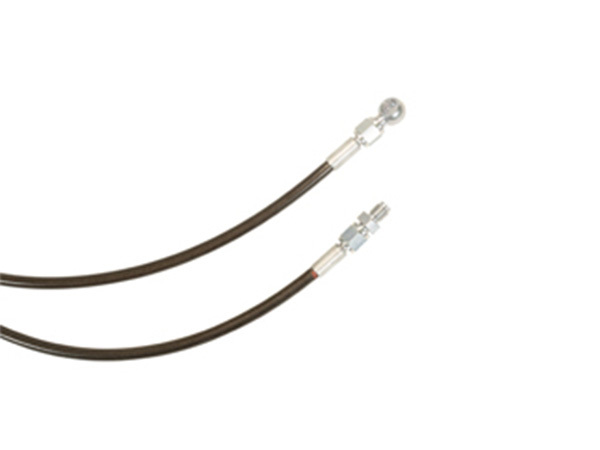
These hoses are known for their superior strength and resistance to expansion under pressure. Stainless steel braided hoses enhance the responsiveness of the brake system, making them a popular choice for performance vehicles. While they may be more expensive, their durability makes them a worthwhile investment for electric car enthusiasts.
PTFE (Polytetrafluoroethylene) Brake Hoses
PTFE hoses offer excellent resistance to heat and chemical damage, making them an ideal choice for electric vehicles. They provide consistent performance, even in extreme conditions, and are less prone to degradation compared to rubber hoses. PTFE is often wrapped in a braided stainless steel cover for added protection.
Key Features to Consider When Choosing a Brake Hose
When selecting a brake hose for your electric vehicle, several features should be taken into account to ensure optimal performance and safety:
1. Pressure Rating
Brake hoses must withstand high levels of hydraulic pressure. Ensure that the hose you choose has an appropriate pressure rating for your vehicle’s braking system.
2. Length and Fitment
Proper fitment is crucial for brake hoses. Measure the length needed for your electric vehicle and check compatibility with your brake system to avoid leaks and ensure efficient braking performance.
3. Temperature Resistance
Brake systems generate a significant amount of heat. Choose a brake hose with a high-temperature resistance to prevent failure during intense braking scenarios.
4. Flexibility
Brake hoses must remain flexible to accommodate the movement of the suspension system. Ensure that the material you choose offers sufficient flexibility for your vehicle’s design.
5. Compliance with Standards
Look for brake hoses that meet or exceed industry standards, such as those set by the Society of Automotive Engineers (SAE) or the Department of Transportation (DOT).
How to Maintain Your Electric Car Brake Hoses
Maintaining your electric car's brake hoses is essential for ensuring longevity and safety. Here are some tips for proper maintenance:
1. Regular Inspections
Conduct routine visual inspections of your brake hoses. Look for signs of wear, cracks, or leaks that could compromise the system.
2. Check for Corrosion
Inspect the fittings and connections for signs of corrosion, especially if you live in areas prone to road salt exposure. Corrosion can lead to failure if not addressed promptly.
3. Replace When Necessary
If you notice any signs of damage or if the hoses have reached their recommended lifespan, replace them immediately. It is always better to err on the side of caution when it comes to braking components.
4. Keep Hoses Clean
Clean any dirt or debris that may accumulate on the hoses, as contaminants can lead to premature wear and tear.
Signs of Wear and Tear in Brake Hoses
It is crucial to recognize the signs of wear and tear in your brake hoses. Addressing these issues promptly can prevent major safety hazards:
1. Cracks or Bulges
Any visible cracks, bulges, or deformation in the hose material are clear indicators that the hose needs replacement.
2. Leaking Fluid
Fluid leaks around the fittings or along the hose itself signal a failure in the hose and should be addressed immediately.
3. Spongy Brake Pedal
A spongy feeling in the brake pedal often indicates air in the brake lines or a defective hose that is not maintaining pressure properly.
4. Increased Stopping Distance
If you experience longer stopping distances, it may be due to compromised brake hoses that are unable to transmit the necessary hydraulic pressure.
Installation Tips for Electric Car Brake Hoses
Installing brake hoses may seem daunting, but with the right approach, it can be manageable. Here are some installation tips:
1. Gather Necessary Tools
Ensure you have all the required tools on hand, including wrenches, a brake line cutter, and a torque wrench, to make the installation process smoother.
2. Follow Manufacturer Guidelines
Always refer to the manufacturer's instructions for specific installation procedures unique to your electric vehicle model.
3. Bleed the Brakes
After installation, bleed the brake system to remove any air bubbles. This step ensures that the braking system functions effectively without compromising safety.
4. Test Drive
Once installation is complete, take your electric vehicle for a test drive to ensure the brakes are functioning properly. Pay attention to the feel of the brake pedal and listen for any unusual noises.
Frequently Asked Questions
1. How often should I replace my electric car brake hoses?
It is advisable to inspect your brake hoses every 20,000 miles and replace them every four to six years, depending on wear and tear.
2. Can I use regular brake hoses on electric vehicles?
While you can use regular brake hoses, it is recommended to choose hoses specifically designed for electric vehicles to ensure optimal performance and safety.
3. What are the risks of using damaged brake hoses?
Damaged brake hoses can lead to brake failure, resulting in compromised safety and increased stopping distances, posing serious risks while driving.
4. What should I do if I notice a brake fluid leak?
Address the leak immediately by inspecting the brake hoses and connections. If you cannot identify the issue, consult a professional mechanic for assistance.
5. Are stainless steel braided brake hoses worth the investment?
Yes, stainless steel braided brake hoses provide superior performance, durability, and safety, making them a valuable investment for electric vehicle enthusiasts.
Conclusion
Choosing the right brake hose for your electric car is crucial for ensuring optimal braking performance and safety. By understanding the various materials, key features, and maintenance practices, first-time buyers can make informed decisions that enhance their vehicle's reliability. Regular inspections and prompt replacements are vital in maintaining your electric car's brake system. Remember, when it comes to brake components, prioritizing quality and compliance with safety standards will lead to a safer and more enjoyable driving experience. Armed with this knowledge, you can confidently navigate the world of electric car brake hoses and ensure your vehicle remains in peak condition.
Key words:
Previous article
Recommended News
Comparing Different Materials Used in Color Modified Brake Hoses

Contact Us
+86-15369891688 (same as WeChat)
Xikang Industrial Zone, 4889 Renmin West Road, Taocheng District, Hengshui City
online message