

-
About BrakeHengshui Brake Hose Machinery Co., Ltd. is located within the Beijing-Kowloon, Beijing-Shanghai, and Shide lines. There is Shihuang Expressway in the north and Hengshui Lake tourist attraction in the south. The environment is beautiful and the geographical location is superior.

-
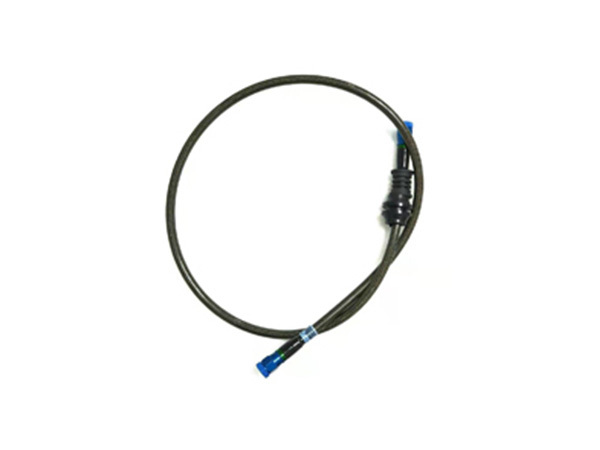
ProductsThe main production of automobile, motorcycle brake hose, brake steel hose, Teflon brake hose, nylon brake hose, excellent product quality and performance, by the majority of users alike.
-
NewsThe company with sophisticated equipment, advanced technology, high-quality staff, to user requirements for the purpose, warmly welcome new and old users at home and abroad to visit and guide.
The Connection Between Motorcycle Brake System Performance and Fisheye Joints
2026-07-10
The Connection Between Motorcycle Brake System Performance and Fisheye Joints
Motorcycles provide exhilarating experiences on the road, but safety remains paramount. A critical component of motorcycle safety is the brake system, where every part plays a significant role in its effectiveness. Among these components, **fisheye joints** often go unnoticed, yet their impact on brake system performance is substantial. In this article, we will explore the intricate relationship between motorcycle brake systems and fisheye joints, delving into how they affect braking efficiency and overall riding safety.
Table of Contents
1. Understanding the Motorcycle Brake System
2. What are Fisheye Joints?
3. How Fisheye Joints Impact Brake System Performance
3.1 Enhancing Fluid Dynamics
3.2 Reducing Friction and Wear
4. Types of Fisheye Joints Used in Motorcycle Brake Systems
4.1 Fixed Fisheye Joints
4.2 Floating Fisheye Joints
5. The Importance of Regular Maintenance
5.1 Signs of Worn Fisheye Joints
5.2 How to Maintain Fisheye Joints
6. Upgrading Your Motorcycle Brake System
7. Common FAQs about Motorcycle Brake Systems and Fisheye Joints
8. Conclusion
1. Understanding the Motorcycle Brake System
A motorcycle's brake system is a sophisticated assembly designed to slow down or stop the bike effectively. It comprises several components, including brake pads, rotors, calipers, and brake lines. Each part must work seamlessly to ensure optimal performance. **Braking efficiency** can be influenced by many factors, including the type of brake system (disc or drum), the materials used, and the condition of individual components.
2. What are Fisheye Joints?
Fisheye joints are specialized mechanical components characterized by a spherical shape that allows for multidirectional movement. In the context of motorcycle brake systems, these joints facilitate the connection between brake lines and other crucial components, enabling the smooth transfer of force and fluid. Their design ensures flexibility while maintaining structural integrity, making them vital for efficient braking performance.
3. How Fisheye Joints Impact Brake System Performance
Fisheye joints play a pivotal role in enhancing the functionality of motorcycle brake systems. Their design and placement can significantly influence several performance factors.
3.1 Enhancing Fluid Dynamics
One of the primary functions of fisheye joints is to facilitate the movement of brake fluid within the system. The unique shape of these joints allows for better fluid dynamics, reducing the resistance encountered during braking. This efficiency translates into quicker response times, which are crucial for rider safety in emergency situations.
3.2 Reducing Friction and Wear
Friction is a natural enemy of any mechanical system. Fisheye joints are engineered to minimize **friction** between moving parts, which helps reduce wear and tear. By maintaining a smooth connection between brake components, fisheye joints help extend the life of the brake system and improve overall performance.
4. Types of Fisheye Joints Used in Motorcycle Brake Systems
Different types of fisheye joints can be found in motorcycle brake systems, each serving a specific purpose and offering unique benefits.
4.1 Fixed Fisheye Joints
Fixed fisheye joints are designed to remain stationary at one end while allowing movement at the other. They provide stability and support for brake lines while facilitating necessary motion. These joints are often used in setups where minimal movement is required.
4.2 Floating Fisheye Joints
Floating fisheye joints, on the other hand, allow for more extensive movement. This characteristic helps absorb shocks and vibrations caused by uneven road surfaces, contributing to a smoother braking experience. They are particularly beneficial in high-performance motorcycles, where maintaining control during abrupt stops is vital.
5. The Importance of Regular Maintenance
Regular maintenance of the motorcycle brake system, including fisheye joints, is essential for ensuring safety and performance.
5.1 Signs of Worn Fisheye Joints
Identifying worn fisheye joints is crucial for maintaining brake efficiency. Common signs of wear include:
- Reduced braking response time
- Unusual noises during braking
- Vibration or instability when applying brakes
If you notice any of these symptoms, it is essential to inspect the fisheye joints and other brake components promptly.
5.2 How to Maintain Fisheye Joints
Maintaining fisheye joints involves regular inspections and cleaning. Here are some tips:
- **Check for Corrosion**: Inspect the joints for signs of rust or corrosion, which can impede their function.
- **Lubrication**: Use appropriate lubricants to ensure smooth movement. However, take care not to over-lubricate, as excess grease can attract dirt.
- **Replacement**: If the fisheye joints show significant wear or damage, replacing them is crucial to ensure optimal brake performance.
6. Upgrading Your Motorcycle Brake System
For riders looking to enhance their motorcycle's braking performance, upgrading the brake system can be a wise decision. Incorporating high-quality fisheye joints into the upgrade can provide noticeable improvements in responsiveness and reliability. It’s essential to consult with experienced mechanics or specialists when considering upgrades to ensure compatibility and effectiveness.
7. Common FAQs about Motorcycle Brake Systems and Fisheye Joints
**Q1: How often should I inspect my motorcycle brake system?**
A: It is recommended to inspect your motorcycle brake system, including fisheye joints, every 6 months or before long rides.
**Q2: Can I replace fisheye joints myself?**
A: While experienced DIY enthusiasts may replace fisheye joints, it’s advisable to consult a professional mechanic for best results.
**Q3: What materials are fisheye joints made from?**
A: Fisheye joints are typically made from durable materials such as steel or aluminum to withstand high stress and temperature changes.
**Q4: How do I know if my brake system is functioning properly?**
A: A properly functioning brake system should provide smooth, responsive braking without unusual noises or vibrations.
**Q5: Are there performance benefits to aftermarket fisheye joints?**
A: Yes, aftermarket fisheye joints often provide enhanced durability and performance compared to stock counterparts, making them a popular choice for performance motorcycles.
8. Conclusion
The connection between motorcycle brake system performance and fisheye joints is a vital aspect that requires attention from riders and mechanics alike. Understanding how these joints contribute to brake efficiency can lead to improved safety and enhanced riding experiences. Regular maintenance, timely upgrades, and awareness of the signs of wear can significantly impact your motorcycle's braking performance. By prioritizing these components, you ensure not only your safety but also the longevity and reliability of your motorcycle brake system.
Key words:
Previous article
Recommended News
The Connection Between Motorcycle Brake System Performance and Fisheye Joints
The Connection Between Motorcycle Brake System Performance and Fisheye Joints
Motorcycles provide exhilarating experiences on the road, but safety remains paramount. A critical component of motorcycle safety is the brake system, where every part plays a significant role in its effectiveness. Among these components, **fisheye joints** often go unnoticed, yet their impact on brake system performance

Contact Us
+86-15369891688 (same as WeChat)
Xikang Industrial Zone, 4889 Renmin West Road, Taocheng District, Hengshui City
online message