

-
About BrakeHengshui Brake Hose Machinery Co., Ltd. is located within the Beijing-Kowloon, Beijing-Shanghai, and Shide lines. There is Shihuang Expressway in the north and Hengshui Lake tourist attraction in the south. The environment is beautiful and the geographical location is superior.

-
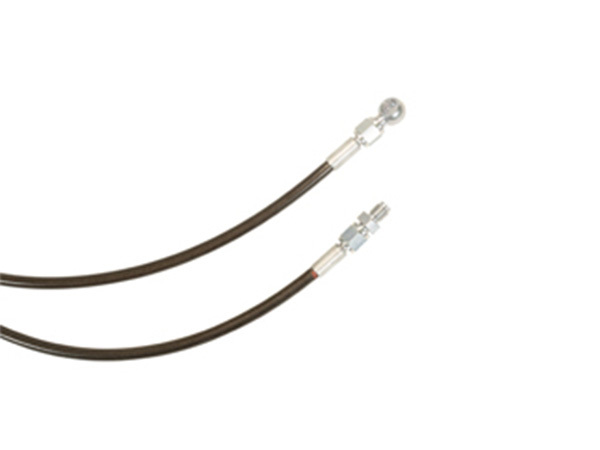
ProductsThe main production of automobile, motorcycle brake hose, brake steel hose, Teflon brake hose, nylon brake hose, excellent product quality and performance, by the majority of users alike.
-
NewsThe company with sophisticated equipment, advanced technology, high-quality staff, to user requirements for the purpose, warmly welcome new and old users at home and abroad to visit and guide.
Understanding Brake Hoses: Essential Insights for Professionals
2025-03-12
Brake hoses are a vital component of any vehicle's braking system, responsible for transferring hydraulic fluid from the master cylinder to the brake calipers or wheel cylinders. These hoses are designed to withstand high pressure while maintaining flexibility, allowing for precise control of the braking system. Understanding their construction, function, and maintenance is crucial for professionals involved in the automotive industry, as well as for vehicle owners who prioritize safety.
Typically made from synthetic rubber reinforced with braided steel or nylon, brake hoses are engineered to endure extreme conditions. They must be able to handle high temperatures and resist the corrosive effects of brake fluid. Over time, however, brake hoses can experience wear and tear, leading to potential failures that compromise vehicle safety. Regular inspections can help identify any signs of damage, such as cracks, bulges, or leaks, ensuring that the braking system operates efficiently.
The functionality of brake hoses is closely tied to the hydraulic braking system. When the brake pedal is pressed, the master cylinder generates hydraulic pressure, which is transmitted through the brake hoses to the brake components at each wheel. This pressure forces the brake pads against the rotors, effectively slowing or stopping the vehicle. Therefore, any failure in the brake hose can lead to a loss of braking power, creating dangerous situations on the road.
For automotive professionals, it's essential to recommend the replacement of brake hoses according to the manufacturer's guidelines, typically every four to six years, or sooner if any signs of deterioration are observed. Additionally, ensuring that brake hoses are correctly routed and secured can prevent abrasion and damage, prolonging their lifespan.
In summary, brake hoses play a critical role in ensuring the effectiveness and safety of a vehicle's braking system. By understanding their importance, composition, and maintenance requirements, automotive professionals can provide informed guidance to clients, enhancing vehicle safety and performance. Regular maintenance and careful inspections can prevent costly repairs and keep vehicles operating smoothly, underscoring the essential nature of this often-overlooked component of the braking system.
Typically made from synthetic rubber reinforced with braided steel or nylon, brake hoses are engineered to endure extreme conditions. They must be able to handle high temperatures and resist the corrosive effects of brake fluid. Over time, however, brake hoses can experience wear and tear, leading to potential failures that compromise vehicle safety. Regular inspections can help identify any signs of damage, such as cracks, bulges, or leaks, ensuring that the braking system operates efficiently.
The functionality of brake hoses is closely tied to the hydraulic braking system. When the brake pedal is pressed, the master cylinder generates hydraulic pressure, which is transmitted through the brake hoses to the brake components at each wheel. This pressure forces the brake pads against the rotors, effectively slowing or stopping the vehicle. Therefore, any failure in the brake hose can lead to a loss of braking power, creating dangerous situations on the road.
For automotive professionals, it's essential to recommend the replacement of brake hoses according to the manufacturer's guidelines, typically every four to six years, or sooner if any signs of deterioration are observed. Additionally, ensuring that brake hoses are correctly routed and secured can prevent abrasion and damage, prolonging their lifespan.
In summary, brake hoses play a critical role in ensuring the effectiveness and safety of a vehicle's braking system. By understanding their importance, composition, and maintenance requirements, automotive professionals can provide informed guidance to clients, enhancing vehicle safety and performance. Regular maintenance and careful inspections can prevent costly repairs and keep vehicles operating smoothly, underscoring the essential nature of this often-overlooked component of the braking system.
Key words:
Previous article
Recommended News
Comparing Different Materials Used in Color Modified Brake Hoses
Comparing Different Materials Used in Color Modified Brake Hoses
Table of Contents
1. Introduction to Brake Hoses and Their Importance
2. What Are Brake Hoses?
3. Importance of Materials in Brake Hoses
4. Common Materials Used in Color Modified Brake Hoses
4.1 Rubber
4.2 Polyurethane
4.3 Nylon
4.4 Stainless Steel


Contact Us
+86-15369891688 (same as WeChat)
Xikang Industrial Zone, 4889 Renmin West Road, Taocheng District, Hengshui City
online message