

-
About BrakeHengshui Brake Hose Machinery Co., Ltd. is located within the Beijing-Kowloon, Beijing-Shanghai, and Shide lines. There is Shihuang Expressway in the north and Hengshui Lake tourist attraction in the south. The environment is beautiful and the geographical location is superior.

-
ProductsThe main production of automobile, motorcycle brake hose, brake steel hose, Teflon brake hose, nylon brake hose, excellent product quality and performance, by the majority of users alike.
-
NewsThe company with sophisticated equipment, advanced technology, high-quality staff, to user requirements for the purpose, warmly welcome new and old users at home and abroad to visit and guide.
The Importance of Quality Brake Hoses in Automotive Safety
2025-03-17
The Importance of Quality Brake Hoses in Automotive Safety
When it comes to vehicle safety, few components are as critical as the brake system. Within this system, brake hoses play an essential role. These often-overlooked parts are responsible for transmitting hydraulic fluid from the master cylinder to the brake calipers. Understanding the importance of quality brake hoses can save lives, enhance vehicle performance, and prevent costly repairs. In this article, we explore the intricacies of brake hoses, their materials, common issues, maintenance, and the impact of quality on automotive safety.
Table of Contents
- What Are Brake Hoses?
- Types of Brake Hoses
- Materials Used in Brake Hoses
- Common Brake Hose Issues
- Signs of Worn-Out Brake Hoses
- Maintenance of Brake Hoses
- The Importance of Quality Brake Hoses
- FAQ
What Are Brake Hoses?
Brake hoses are flexible tubes within a vehicle’s braking system that carry hydraulic fluid. When the driver presses the brake pedal, the master cylinder generates pressure, causing the fluid to travel through these hoses to the brake calipers. This pressure activates the brakes, allowing the vehicle to decelerate or stop. The design and integrity of these hoses are critical to the effective and safe operation of the brake system.
Types of Brake Hoses
Brake hoses can be categorized into two main types: rubber hoses and stainless steel braided hoses. Each type has its own advantages and disadvantages:
Rubber Brake Hoses
Rubber hoses are the most common type used in vehicles today. They are cost-effective and provide adequate performance for standard driving conditions. However, they can degrade over time due to environmental factors, including exposure to heat, humidity, and chemicals.
Stainless Steel Braided Brake Hoses
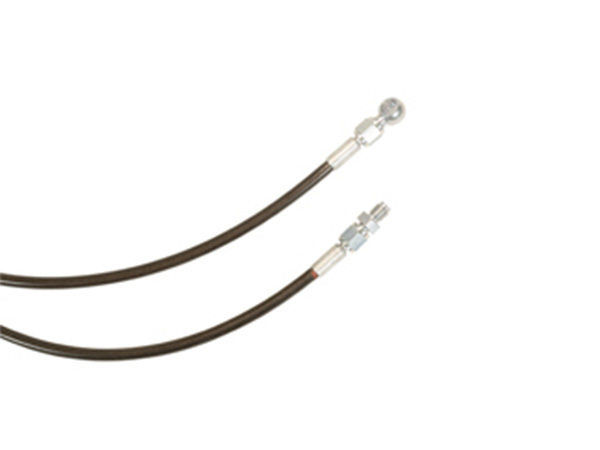
Stainless steel braided hoses offer superior durability and resistance to expansion under pressure. They are particularly beneficial for high-performance vehicles or those used in extreme conditions. These hoses provide a firmer brake pedal feel and can withstand higher temperatures, making them a popular choice among automotive enthusiasts.
Materials Used in Brake Hoses
The primary materials used in the manufacture of brake hoses are crucial for their performance and longevity. Most brake hoses consist of a synthetic rubber core with a protective outer layer. The choice of materials affects not only the cost but also the safety and reliability of the hoses.
Synthetic Rubber
Synthetic rubber is designed to withstand high temperatures and pressures. It also offers excellent resistance to abrasion and chemicals, making it an ideal choice for brake hoses.
Steel Braiding
Stainless steel braiding encases rubber hoses to prevent expansion and enhance durability. This material is essential for high-performance applications where maintaining consistent brake pressure is critical.
Common Brake Hose Issues
Brake hoses can encounter several issues that compromise safety:
Cracking and Dry Rot
Over time, exposure to the elements can cause rubber hoses to crack or develop dry rot. This deterioration can lead to leaks and a loss of hydraulic pressure, resulting in brake failure.
Bulging or Swelling
When brake hoses swell or bulge, it indicates a weakness in the structure, often due to internal wear or damage. This condition can lead to catastrophic brake failure if not addressed promptly.
Leaks
Leaks in brake hoses are a serious concern. They can occur due to material degradation or damage from road debris. Even a small leak can result in a significant loss of braking power.
Signs of Worn-Out Brake Hoses
Being aware of the signs of worn-out brake hoses can prevent dangerous situations:
Soft or Spongy Brake Pedal
A soft or spongy brake pedal often indicates air in the brake lines or a problem with the brake hoses. This issue requires immediate attention to ensure safe braking performance.
Brake Fluid Leaks
Inspect the area around the brake hoses for any signs of fluid leaks. If you notice brake fluid pooling or stains, it’s crucial to have the hoses inspected and potentially replaced.
Visible Damage
Any visible damage to the hoses, such as cracks, cuts, or bulges, warrants immediate replacement. Regularly checking your brake hoses during maintenance can help identify these issues early.
Maintenance of Brake Hoses
Regular maintenance is key to ensuring the longevity and effectiveness of brake hoses. Here are some essential maintenance tips:
Regular Inspections
Conduct regular inspections of your brake hoses as part of routine vehicle maintenance. Look for signs of wear and tear, including cracks, bulging, and leaks.
Fluid Replacement
Brake fluid should be replaced periodically to prevent moisture buildup, which can enhance degradation of the hoses. Follow the manufacturer’s recommendations for fluid change intervals.
Professional Check-Ups
Having a qualified mechanic conduct thorough checks can help identify potential issues before they become serious. They can provide insights into the condition of your brake hoses and recommend replacements as needed.
The Importance of Quality Brake Hoses
Investing in quality brake hoses is crucial for several reasons:
Enhanced Safety
High-quality brake hoses provide reliable performance, reducing the risk of brake failure. This reliability is crucial for driver and passenger safety, particularly in emergency situations.
Improved Performance
Quality hoses offer better pressure retention and responsiveness, leading to improved braking performance. This is especially important for high-performance vehicles or those used in challenging driving conditions.
Cost-Effectiveness
While quality brake hoses may have a higher upfront cost, they often prove to be more cost-effective in the long run. Their durability reduces the frequency of replacements and minimizes the risk of costly brake system repairs.
Regulatory Compliance
Many regions have strict regulations regarding vehicle safety. Using quality brake hoses ensures compliance with these regulations, providing peace of mind to both drivers and passengers.
FAQ
1. How often should brake hoses be replaced?
Brake hoses should typically be replaced every four to six years, but this can vary based on driving conditions and vehicle usage.
2. Can I use any brake hose for my vehicle?
No, it's essential to use the brake hoses specified by the manufacturer to ensure compatibility and safety.
3. What is the average cost of replacing brake hoses?
The average cost of replacing brake hoses can range from $100 to $300, depending on the vehicle and labor costs.
4. Are stainless steel braided hoses better than rubber hoses?
Stainless steel braided hoses generally offer improved performance and durability over rubber hoses, making them ideal for high-performance applications.
5. How can I tell if my brake hoses need replacing?
Signs of wear, such as cracking, bulging, or leaks, indicate that brake hoses need immediate replacement.
Conclusion
In summary, the significance of quality brake hoses in automotive safety cannot be overstated. These components are vital to the overall function and reliability of the brake system. Understanding their role, recognizing the signs of wear, and committing to regular maintenance can prevent accidents and enhance vehicle performance. Investing in high-quality brake hoses is not just a smart decision; it’s a commitment to ensuring the safety of everyone on the road. By prioritizing quality and maintenance, drivers can significantly improve their safety and peace of mind while behind the wheel.
Key words:
Recommended News
Comparing Different Materials Used in Color Modified Brake Hoses

Contact Us
+86-15369891688 (same as WeChat)
Xikang Industrial Zone, 4889 Renmin West Road, Taocheng District, Hengshui City
online message