

-
About BrakeHengshui Brake Hose Machinery Co., Ltd. is located within the Beijing-Kowloon, Beijing-Shanghai, and Shide lines. There is Shihuang Expressway in the north and Hengshui Lake tourist attraction in the south. The environment is beautiful and the geographical location is superior.

-
ProductsThe main production of automobile, motorcycle brake hose, brake steel hose, Teflon brake hose, nylon brake hose, excellent product quality and performance, by the majority of users alike.
-
NewsThe company with sophisticated equipment, advanced technology, high-quality staff, to user requirements for the purpose, warmly welcome new and old users at home and abroad to visit and guide.
Exploring the Benefits of Upgrading Your Motorcycle Brake Oil Pipe Joint Fisheye Joint
2026-03-06
Exploring the Benefits of Upgrading Your Motorcycle Brake Oil Pipe Joint Fisheye Joint
Table of Contents
- Introduction to Motorcycle Brake Systems
- Understanding Fisheye Joints in Brake Systems
- Why Upgrade Your Brake Oil Pipe Joint?
- Key Benefits of Upgrading to a Fisheye Joint
- Installation Process for Fisheye Joints
- Maintenance Tips for Your Brake System
- Frequently Asked Questions
- Conclusion
Introduction to Motorcycle Brake Systems
Motorcycle safety largely hinges on an efficient braking system. A critical component of this system is the **brake oil pipe joint**, which facilitates the flow of hydraulic brake fluid. Among the various types of joints available, the **fisheye joint** stands out for its unique design and functionality. This article delves into the necessity of upgrading to a fisheye joint and its implications for motorcycle safety and performance.
Understanding Fisheye Joints in Brake Systems
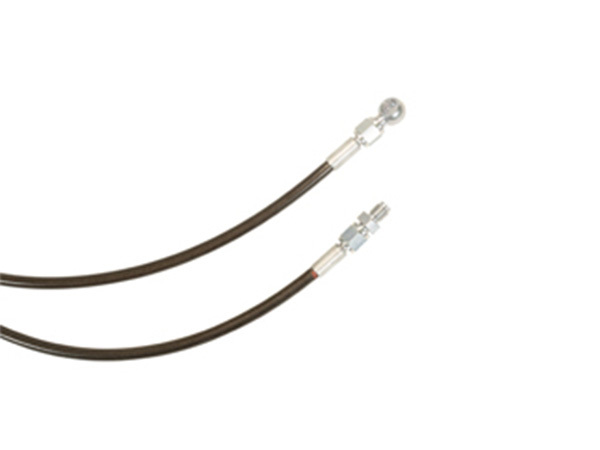
The fisheye joint is specifically engineered to allow for a greater range of motion, accommodating the dynamic movements of the motorcycle and ensuring optimal connection between the brake oil pipe and the caliper. Unlike traditional joints, fisheye joints possess a spherical shape at the connection point, enabling better flexibility and alignment during operation. This design feature minimizes stress on the brake lines and enhances overall braking efficiency.
How Fisheye Joints Differ from Standard Joints
Standard joints often rely on a rigid setup, which can lead to challenges such as misalignment, wear and tear, and potential failure under extreme conditions. The fisheye joint, with its spherical design, allows for **multi-directional movement**, ensuring that the brake system operates at peak performance regardless of the motorcycle's position or load.
Why Upgrade Your Brake Oil Pipe Joint?
Upgrading your motorcycle's brake oil pipe joint to a fisheye joint offers several compelling reasons:
1. **Enhanced Safety**: A well-functioning brake system is paramount for rider safety. Upgrading the joint reduces the risk of brake failure, which can lead to catastrophic accidents.
2. **Improved Performance**: Fisheye joints are designed to improve the responsiveness of the braking system, allowing for quicker stops and better handling.
3. **Increased Durability**: The materials used in high-quality fisheye joints are often more robust than those in standard joints, leading to a longer lifespan and reduced maintenance costs.
4. **Better Fluid Dynamics**: The unique design of the fisheye joint can help reduce hydraulic fluid contamination, ensuring that your brake system remains clean and effective.
Key Benefits of Upgrading to a Fisheye Joint
The transition to a fisheye joint not only enhances the safety and performance of your motorcycle but also brings about various additional benefits:
1. Increased Flexibility and Range of Motion
Fisheye joints allow for superior flexibility, accommodating the natural movements of the motorcycle frame during rides. This flexibility ensures that the **brake lines** do not experience undue stress, thereby prolonging their life.
2. Resistance to Environmental Factors
High-performance fisheye joints are often crafted from materials that resist corrosion and wear, making them ideal for various weather conditions. Investing in such components can lead to fewer replacements over time.
3. Enhanced Aesthetics
Upgrading to a fisheye joint can also contribute positively to the overall aesthetic of your motorcycle. Many fisheye joints come with sleek designs, adding a touch of style along with improved functionality.
4. Compatibility with Upgraded Brake Systems
If you're considering upgrading other parts of your braking system, such as calipers or rotors, fisheye joints are often designed to work seamlessly with these advanced components. This compatibility helps ensure a well-rounded improvement in your motorcycle's braking capabilities.
5. Cost-Effectiveness in the Long Run
While the initial investment of upgrading to a fisheye joint may be higher than standard options, the long-term benefits of enhanced safety, reduced maintenance, and improved performance offer significant cost savings over time.
Installation Process for Fisheye Joints
Upgrading your motorcycle brake oil pipe joint to a fisheye joint is a process that can be undertaken with some mechanical knowledge. However, it’s always advisable to consult with a professional if you're unsure. Here’s a brief overview of the installation process:
1. Gather Necessary Tools and Materials
Before starting, ensure that you have the correct fisheye joint, a wrench set, brake fluid, and any other tools required for your specific motorcycle model.
2. Remove the Old Brake Oil Pipe Joint
Carefully disconnect the existing brake oil pipe joint. Make sure to have a suitable container ready to catch any brake fluid that may leak out during this process.
3. Install the Fisheye Joint
Position the new fisheye joint in place and tighten it securely with the appropriate tools. Double-check that all connections are tight to prevent leaks.
4. Refill Brake Fluid
After installation, refill the brake system with high-quality brake fluid. Make sure to bleed the brakes properly to remove any air bubbles that may have formed during the installation.
5. Test the Brake System
Before hitting the road, conduct a thorough test of the brake system. Ensure that the brakes respond smoothly and effectively.
Maintenance Tips for Your Brake System
Once you’ve upgraded to a fisheye joint, it's essential to maintain your braking system for optimal performance:
1. Regular Inspection
Periodically check the fisheye joint and surrounding components for signs of wear or damage. Early detection can prevent more significant issues.
2. Keep Brake Fluid Clean
Regularly change your brake fluid according to the manufacturer's recommendations. Contaminated fluid can affect braking performance and lead to component damage.
3. Monitor Brake Pad Condition
Keep an eye on the condition of your brake pads. Worn pads can strain the entire braking system, including the fisheye joint.
4. Professional Servicing
Consider scheduling regular maintenance with a certified motorcycle technician who can provide in-depth inspections and servicing as needed.
Frequently Asked Questions
1. What is a fisheye joint?
A fisheye joint is a type of brake oil pipe joint designed to provide a greater range of motion and flexibility, enhancing the overall performance of the motorcycle's braking system.
2. How do I know when to upgrade my brake oil pipe joint?
Signs that it might be time for an upgrade include reduced braking efficiency, visible wear on the brake components, or if you are upgrading other parts of your braking system.
3. Are fisheye joints compatible with all motorcycle models?
While many fisheye joints are designed to fit a broad range of motorcycle models, it’s essential to confirm compatibility with your specific make and model before purchasing.
4. How much does it cost to upgrade to a fisheye joint?
The cost to upgrade can vary based on the brand, materials, and labor if you choose to have it installed professionally. However, consider it an investment in your safety and motorcycle performance.
5. Can I install a fisheye joint on my own?
If you possess mechanical skills and tools, you can install a fisheye joint yourself. Otherwise, it’s advisable to seek assistance from a professional mechanic.
Conclusion
Upgrading your motorcycle brake oil pipe joint to a fisheye joint is not just about enhancing performance; it’s a critical step toward ensuring your safety on the road. With benefits such as increased flexibility, improved safety, and long-term cost-effectiveness, this upgrade is a wise investment for any motorcycle enthusiast. Through proper installation and regular maintenance, you can significantly enhance your braking system's performance, giving you peace of mind as you ride. Make the choice to prioritize your safety and performance—consider a fisheye joint upgrade today.
Key words:
Recommended News
Comparing Different Materials Used in Color Modified Brake Hoses
Comparing Different Materials Used in Color Modified Brake Hoses
Table of Contents
1. Introduction to Brake Hoses and Their Importance
2. What Are Brake Hoses?
3. Importance of Materials in Brake Hoses
4. Common Materials Used in Color Modified Brake Hoses
4.1 Rubber
4.2 Polyurethane
4.3 Nylon
4.4 Stainless Steel

Contact Us
+86-15369891688 (same as WeChat)
Xikang Industrial Zone, 4889 Renmin West Road, Taocheng District, Hengshui City
online message