

-
About BrakeHengshui Brake Hose Machinery Co., Ltd. is located within the Beijing-Kowloon, Beijing-Shanghai, and Shide lines. There is Shihuang Expressway in the north and Hengshui Lake tourist attraction in the south. The environment is beautiful and the geographical location is superior.

-
ProductsThe main production of automobile, motorcycle brake hose, brake steel hose, Teflon brake hose, nylon brake hose, excellent product quality and performance, by the majority of users alike.
-
NewsThe company with sophisticated equipment, advanced technology, high-quality staff, to user requirements for the purpose, warmly welcome new and old users at home and abroad to visit and guide.
Innovations in Motorcycle Tricycle Brake Tubing: What You Should Know
2026-05-08
Innovations in Motorcycle Tricycle Brake Tubing: What You Should Know
Introduction to Motorcycle Tricycle Brake Tubing
Motorcycle tricycles offer a unique blend of stability and maneuverability, making them a popular choice among riders seeking an alternative to traditional two-wheeled motorcycles. One critical component in ensuring the safety and performance of these vehicles is the brake system, particularly the brake tubing. Over the years, innovations in motorcycle tricycle brake tubing have significantly enhanced braking efficiency, durability, and safety. In this article, we will delve into the latest advancements in brake tubing technology and their implications for riders and manufacturers alike.
The Importance of Brake Tubing in Tricycles
Brake tubing serves as the lifeline between the brake lever and the braking mechanism, transmitting hydraulic pressure that activates the brakes. In motorcycle tricycles, the design and materials used in brake tubing can greatly affect overall performance, safety, and maintenance. Understanding these components is essential for both manufacturers and riders.
Understanding Brake Tubing Mechanics
Brake tubing operates on the principle of hydraulics, where the force applied at the brake lever translates into pressure transmitted through the brake fluid within the tubing. This pressure activates the brake calipers, which then engage the brake pads to slow down the vehicle. The efficiency of this process is heavily dependent on the quality and design of the brake tubing.
Key Materials Used in Brake Tubing
The materials used in brake tubing have evolved from traditional rubber to more advanced compounds. Here’s a look at some of the most commonly used materials in modern brake tubing:
1. Rubber Brake Tubing
Historically, rubber was the go-to material for brake tubing due to its flexibility and cost-effectiveness. However, rubber is susceptible to wear and tear, leading to potential leaks and decreased performance over time.
2. Stainless Steel Braided Tubing
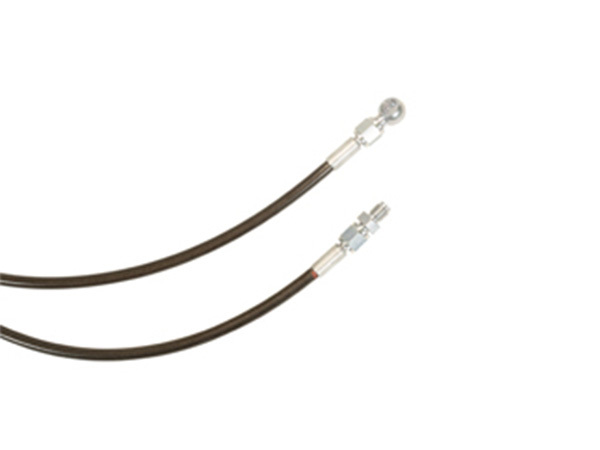
Stainless steel braided tubing has gained popularity due to its durability and resistance to abrasion. Its design minimizes expansion under pressure, providing a more responsive braking experience. These tubes are especially valued in high-performance applications.
3. PTFE (Polytetrafluoroethylene) Tubing
PTFE tubing is known for its high chemical resistance and low friction properties. This material is ideal for brake systems that require minimal fluid resistance, ensuring consistent braking performance.
Innovative Technologies Enhancing Brake Tubing
As technology continues to advance, new innovations are being introduced to improve the safety and performance of motorcycle tricycle brake tubing.
1. Enhanced Pressure Resistance
Recent developments in manufacturing processes have resulted in brake tubing that can withstand higher pressures. This enhancement is crucial for maintaining performance during aggressive riding conditions, ensuring that riders can rely on their brakes when needed most.
2. Anti-Slip Coatings
To improve grip and handling, manufacturers are now applying anti-slip coatings to brake tubing. This innovation helps to prevent slippage during emergency braking situations, providing riders with greater control over their vehicle.
3. Integrated Sensors for Performance Monitoring
Some manufacturers are incorporating sensors within the brake tubing that monitor pressure and fluid levels. These smart systems provide real-time feedback to riders, helping them stay informed about their brake system’s performance and maintenance needs.
Safety Enhancements in Brake Tubing Design
Safety is paramount in the design and manufacture of brake tubing for motorcycle tricycles. Here are some of the key safety enhancements that are being implemented.
1. Improved Leak Resistance
Modern brake tubing designs focus on eliminating potential leak points. Innovations such as reinforced connections and advanced sealing technologies ensure that riders experience fewer issues related to fluid leaks, which can lead to brake failure.
2. Thermal Resistance Capabilities
Braking generates heat, which can adversely affect brake performance. New materials and designs are being tested for their ability to dissipate heat more effectively, preventing brake fade and ensuring consistent performance during extended use.
3. User-Friendly Maintenance Features
Manufacturers are increasingly focusing on making brake tubing easier to maintain. Features such as quick-connect fittings and modular designs allow for straightforward replacements and repairs, empowering riders to maintain their own brake systems more effectively.
Choosing the Right Brake Tubing for Your Tricycle
Selecting the right brake tubing for a motorcycle tricycle involves considering several factors, including performance requirements, riding style, and budget constraints.
1. Assessing Performance Needs
Performance-driven riders may benefit from stainless steel braided tubing, while casual riders might find that high-quality rubber tubing meets their needs adequately. Understanding your riding style and performance requirements is crucial in making the right choice.
2. Budget Considerations
While advanced materials and technologies may offer superior performance, they often come at a higher price point. It’s essential to balance performance needs with budget constraints, ensuring that the chosen brake tubing aligns with your financial situation.
3. Consulting with Professionals
When in doubt, consulting with professionals at motorcycle shops or manufacturers can provide valuable insights into the best options available for your specific tricycle model.
FAQs About Motorcycle Tricycle Brake Tubing Innovations
1. What are the benefits of using stainless steel braided brake tubing?
Using stainless steel braided brake tubing offers enhanced durability, reduced expansion under pressure, and improved responsiveness, making it ideal for performance-oriented riders.
2. How often should brake tubing be replaced?
Brake tubing should be inspected regularly for signs of wear or damage. It's recommended to replace it every two to three years or sooner if any leaks or abrasions are detected.
3. Are there any specific maintenance tips for brake tubing?
Regularly check for leaks, keep connections clean, and ensure that the tubing is free from abrasions. Also, follow the manufacturer’s recommendations for maintenance schedules.
4. Can I upgrade my existing brake tubing?
Yes, upgrading to a higher-quality brake tubing can significantly enhance your tricycle's braking performance. Consult with a professional to ensure compatibility and installation.
5. What role do sensors in brake tubing play?
Sensors in brake tubing monitor pressure and fluid levels, providing real-time performance data to riders, which aids in proactive maintenance and enhances safety.
Conclusion
In conclusion, innovations in motorcycle tricycle brake tubing play a vital role in enhancing safety, efficiency, and performance. By understanding the latest advancements in materials, technologies, and design features, riders and manufacturers can make informed decisions that contribute to safer riding experiences. Whether you're a casual rider or a performance enthusiast, staying updated on these innovations will ensure that your motorcycle tricycle remains reliable and safe on the road. Investing in high-quality brake tubing and understanding its significance will lead to better performance and enhanced safety, ultimately enhancing the joy of riding.
Key words:
Recommended News
Comparing Different Materials Used in Color Modified Brake Hoses
Comparing Different Materials Used in Color Modified Brake Hoses
Table of Contents
1. Introduction to Brake Hoses and Their Importance
2. What Are Brake Hoses?
3. Importance of Materials in Brake Hoses
4. Common Materials Used in Color Modified Brake Hoses
4.1 Rubber
4.2 Polyurethane
4.3 Nylon
4.4 Stainless Steel

Contact Us
+86-15369891688 (same as WeChat)
Xikang Industrial Zone, 4889 Renmin West Road, Taocheng District, Hengshui City
online message