

-
About BrakeHengshui Brake Hose Machinery Co., Ltd. is located within the Beijing-Kowloon, Beijing-Shanghai, and Shide lines. There is Shihuang Expressway in the north and Hengshui Lake tourist attraction in the south. The environment is beautiful and the geographical location is superior.

-
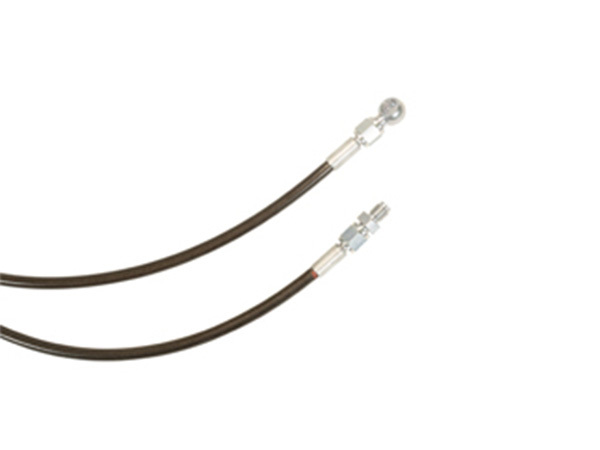
ProductsThe main production of automobile, motorcycle brake hose, brake steel hose, Teflon brake hose, nylon brake hose, excellent product quality and performance, by the majority of users alike.
-
NewsThe company with sophisticated equipment, advanced technology, high-quality staff, to user requirements for the purpose, warmly welcome new and old users at home and abroad to visit and guide.
The Importance of Quality in Electric Car Brake Hoses: Ensuring Safety and Performance
2026-05-15
The Importance of Quality in Electric Car Brake Hoses
Electric vehicles (EVs) are gaining popularity due to their environmental benefits and advanced technology. However, the safety and performance of these vehicles hinge significantly on the quality of their components, notably the brake system. Among the critical components of the braking system, **brake hoses** play a vital role. This article explores the importance of quality in electric car brake hoses, covering everything from materials used to maintenance practices, ensuring your vehicle operates effectively and safely.
Understanding Brake Hoses: A Vital Component of the Braking System
Brake hoses serve as the conduit for hydraulic fluid, allowing the braking system to function effectively. They connect the brake calipers to the master cylinder, transmitting the force exerted on the brake pedal to the wheels. In electric vehicles, where weight distribution and performance are optimized, the quality of **brake hoses** cannot be overstated.
What Makes Brake Hoses Essential?
Brake hoses are engineered to withstand extreme conditions, such as high pressure and temperature fluctuations. Their primary functions include:
- **Transmitting Hydraulic Force:** When the driver presses the brake pedal, hydraulic fluid travels through the hoses, enabling the brakes to engage and slow down or stop the vehicle.
- **Flexibility and Durability:** High-quality brake hoses are designed to be flexible, allowing for movement as the vehicle’s suspension operates while maintaining their structural integrity.
- **Resistance to Environmental Factors:** Quality hoses resist wear and tear from exposure to oil, chemicals, and temperature variations.
The Impact of Quality on Performance and Safety
Investing in high-quality brake hoses directly influences the performance and safety of electric vehicles. Here are several key aspects to consider:
Material Composition: The Foundation of Quality
Brake hoses are typically made from a variety of materials, including rubber, PVC, and stainless steel. The choice of material significantly impacts the hose's performance.
- **Rubber Hoses:** While they are flexible and cost-effective, they may degrade over time, particularly when exposed to harsh environmental conditions.
- **PVC Hoses:** These are more resistant to environmental damage but may lack the flexibility needed for optimal performance.
- **Stainless Steel Braided Hoses:** Offering superior durability, these hoses resist abrasion and pressure, making them a preferred choice for performance-oriented electric vehicles.
Why Material Matters
The material affects not only the longevity of the hoses but also their ability to handle pressure. High-quality materials ensure that brake hoses can withstand the demands of modern electric vehicles, which often feature advanced braking systems with more substantial requirements than traditional cars.
Manufacturing Processes: Crafting Quality Brake Hoses
The manufacturing process of brake hoses is crucial in determining their quality. Here are some key factors that contribute to superior production:
- **Precision Engineering:** High-quality hoses are manufactured with precision to ensure they can withstand the required pressure without bursting.
- **Quality Control Standards:** Reliable manufacturers adhere to strict quality control measures, ensuring that each hose meets safety and performance standards.
- **Testing Procedures:** Before reaching the market, brake hoses undergo rigorous testing to verify their durability and effectiveness.
Common Issues Linked to Poor Quality Brake Hoses
Low-quality brake hoses can lead to a host of problems, compromising both safety and performance. Here are some common issues associated with inferior brake hoses:
Brake Failure
A significant risk of using low-quality hoses is brake failure. Deteriorated hoses can develop leaks, leading to a loss of hydraulic pressure and, ultimately, ineffective braking.
Reduced Performance
Inferior hoses may not perform well under various driving conditions. This can result in delayed braking responses, reduced vehicle control, and increased stopping distances.
Increased Maintenance Costs
Using low-quality hoses may seem cost-effective initially, but they often lead to more frequent breakdowns and repairs, resulting in higher long-term maintenance costs.
Choosing the Right Brake Hose for Your Electric Vehicle
When selecting brake hoses for electric vehicles, several factors should guide your decision:
Certification and Standards
Always look for hoses that meet or exceed industry standards. Certifications from recognized organizations ensure that the hoses have been tested for quality and safety.
Compatibility with Your Vehicle
Ensure that the brake hoses you choose are compatible with your specific electric vehicle model. Mismatched hoses can lead to performance issues and safety hazards.
Manufacturer Reputation
Opt for reputable manufacturers known for producing high-quality automotive components. Research customer reviews and seek recommendations to identify trusted brands.
Investing in Quality
While higher-quality brake hoses may come at a premium, the investment is justified by the enhanced safety, performance, and longevity they provide.
Maintenance Tips for Electric Car Brake Hoses
Proper maintenance can extend the life of your brake hoses and ensure optimal performance. Here are some proactive tips:
Regular Inspections
Routine inspections of brake hoses can help detect any signs of wear, cracking, or leaks before they lead to more significant issues. Check hoses for any visible damage, especially near connections and bends.
Fluid Quality Checks
Ensure that the hydraulic fluid used in your braking system is clean and free from contaminants. Old or contaminated fluid can accelerate hose deterioration.
Professional Servicing
Consider professional servicing for your electric vehicle’s brake system. Trained technicians can provide comprehensive inspections and repairs, ensuring that all components, including brake hoses, are in top condition.
Frequently Asked Questions (FAQs)
1. How often should I replace my electric car's brake hoses?
It’s recommended to inspect brake hoses every two years and replace them every four to six years, depending on wear and environmental conditions.
2. What are the signs of a failing brake hose?
Signs include visible cracks, bulges, leaks, and a spongy brake pedal feel. If you experience any of these symptoms, it’s essential to have your brake system checked immediately.
3. Can I use aftermarket brake hoses on my electric vehicle?
Yes, but ensure they meet the required safety and performance standards for your vehicle. Quality should always be prioritized to maintain safety.
4. Are stainless steel braided hoses worth the investment?
Yes, stainless steel braided hoses offer superior durability and resistance to environmental damage, making them a good investment for enhanced performance.
5. How can I extend the life of my brake hoses?
Regular inspections, maintaining clean hydraulic fluid, and professional servicing can help extend the lifespan of your brake hoses.
Conclusion
In the realm of electric vehicles, the importance of quality brake hoses cannot be overstated. These components are integral to ensuring safe and efficient braking, which directly impacts overall vehicle performance. By investing in high-quality brake hoses, adhering to proper maintenance practices, and understanding the significance of materials and manufacturing processes, drivers can enhance their electric vehicle experience while prioritizing safety. Remember, the right brake hose not only contributes to a smoother ride but also ensures peace of mind on every journey. Choosing quality means choosing safety.
Key words:
Previous article
Recommended News
The Importance of Quality in Electric Car Brake Hoses: Ensuring Safety and Performance
The Importance of Quality in Electric Car Brake Hoses
Electric vehicles (EVs) are gaining popularity due to their environmental benefits and advanced technology. However, the safety and performance of these vehicles hinge significantly on the quality of their components, notably the brake system. Among the critical components of the braking system, **brake hoses** play a vital role. This article e

Contact Us
+86-15369891688 (same as WeChat)
Xikang Industrial Zone, 4889 Renmin West Road, Taocheng District, Hengshui City
online message