

-
About BrakeHengshui Brake Hose Machinery Co., Ltd. is located within the Beijing-Kowloon, Beijing-Shanghai, and Shide lines. There is Shihuang Expressway in the north and Hengshui Lake tourist attraction in the south. The environment is beautiful and the geographical location is superior.

-
ProductsThe main production of automobile, motorcycle brake hose, brake steel hose, Teflon brake hose, nylon brake hose, excellent product quality and performance, by the majority of users alike.
-
NewsThe company with sophisticated equipment, advanced technology, high-quality staff, to user requirements for the purpose, warmly welcome new and old users at home and abroad to visit and guide.
How to Effectively Troubleshoot Issues with Motorcycle Brake Oil Pipe Joint Fisheye Joints
2026-05-29
How to Effectively Troubleshoot Issues with Motorcycle Brake Oil Pipe Joint Fisheye Joints
Motorcycle maintenance is critical for ensuring a safe and enjoyable riding experience. Among the various components that require attention, the brake system stands out as one of the most vital. Specifically, the brake oil pipe joint fisheye joints play a crucial role in the functionality of your motorcycle's braking system. In this article, we will delve deeply into how to troubleshoot issues with these vital components, providing you with the necessary knowledge to identify, diagnose, and resolve any problems effectively.
Table of Contents
- Understanding Fisheye Joints in Brake Systems
- Common Issues with Motorcycle Brake Oil Pipe Joint Fisheye Joints
- Symptoms of Faulty Fisheye Joints
- Step-by-Step Troubleshooting Guide
- Tools Required for Troubleshooting
- Preventive Maintenance Tips
- When to Seek Professional Help
- Conclusion
- FAQs
Understanding Fisheye Joints in Brake Systems
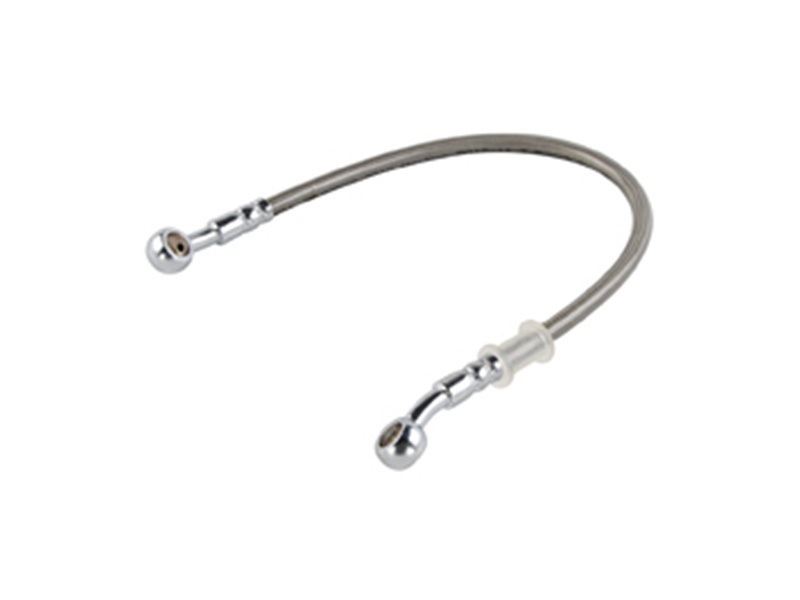
Fisheye joints, also known as ball joints, are integral components of a motorcycle's brake system. They facilitate the connection between the brake oil pipes and the braking mechanism. These joints allow for the necessary movement and flexibility required for effective braking, especially under various riding conditions. Understanding the function of fisheye joints is key to troubleshooting issues that may arise.
The Role of Fisheye Joints in Brake Functionality
Fisheye joints are designed to accommodate angular movements while maintaining a secure connection. They help in distributing the hydraulic pressure evenly throughout the brake system. When these joints malfunction, it can lead to a decrease in braking efficiency, which poses serious safety risks.
Common Issues with Motorcycle Brake Oil Pipe Joint Fisheye Joints
Several common problems can occur with fisheye joints, which can lead to performance issues in the braking system. Recognizing these issues early can prevent more serious complications.
Worn-out or Damaged Joints
Over time, fisheye joints can wear out due to constant movement and exposure to harsh environmental conditions. A worn joint may not maintain a secure connection, leading to hydraulic leaks.
Corrosion and Rust
Due to exposure to moisture and road salt, fisheye joints can develop corrosion. This can weaken the structural integrity of the joint and compromise its function.
Improper Installation
If the fisheye joints were not installed correctly during previous maintenance, it can lead to misalignment and improper function, resulting in brake issues.
Symptoms of Faulty Fisheye Joints
Identifying the symptoms of faulty fisheye joints can help in early diagnosis and repair. Common signs include:
Fluid Leaks
If you notice brake fluid pooling around the joints, it may indicate a leak. This is often a sign of a damaged or worn-out fisheye joint.
Inconsistent Braking
Experiencing a lack of responsiveness in the brakes or a spongy feel when applying pressure can be linked to issues with the fisheye joints.
Unusual Noises
Listen for any clunking or grinding noises when applying the brakes. These sounds can indicate that the fisheye joints are not functioning properly.
Step-by-Step Troubleshooting Guide
Troubleshooting issues with motorcycle brake oil pipe joint fisheye joints requires a methodical approach. Follow these steps to diagnose and resolve any problems:
Step 1: Visual Inspection
Begin with a thorough visual inspection of the fisheye joints and surrounding areas. Look for signs of wear, rust, or fluid leaks.
Step 2: Check for Fluid Leaks
Use a clean cloth to wipe around the joints and check for any fresh brake fluid. If you find fluid, this indicates a potential leak.
Step 3: Assess Brake Performance
Test the brakes at low speeds. Pay attention to how the brakes feel and respond. Note any unusual sensations or sounds.
Step 4: Remove and Inspect the Joints
If issues are suspected, remove the fisheye joints for a closer inspection. Check for any visible damage or irregularities.
Step 5: Clean and Reassemble
Clean the joints and surrounding components thoroughly. Reassemble everything, making sure all connections are secure.
Tools Required for Troubleshooting
Having the right tools at your disposal will make the troubleshooting process easier. Here are the essential tools you will need:
- Wrenches and sockets
- Torque wrench
- Brake fluid
- Cleaning cloths
- Brake cleaner
- Inspection mirror
- Flashlight
Preventive Maintenance Tips
To ensure the longevity of your motorcycle's brake system, consider implementing these preventive maintenance tips:
Regular Inspections
Schedule regular inspections of your brake system to catch any potential issues early.
Keep Components Clean
Maintain cleanliness around the fisheye joints and brake components to prevent corrosion and buildup.
Use Quality Brake Fluid
Always use high-quality brake fluid to maintain optimal performance and prevent damage to the system.
When to Seek Professional Help
If troubleshooting does not resolve the issues or if you are uncomfortable performing any maintenance work, it is essential to seek professional help. Experienced mechanics can identify underlying problems that may not be visible during a visual inspection and can provide the necessary repairs to ensure your safety.
Conclusion
Troubleshooting issues with motorcycle brake oil pipe joint fisheye joints is a crucial skill for any motorcycle enthusiast. By understanding the role of these components and recognizing the symptoms of failure, riders can take proactive steps to maintain their brake systems. Regular inspections, alongside proper maintenance practices, can help prevent serious issues down the line. Always remember that safety comes first, and when in doubt, consult a professional.
FAQs
1. How often should I inspect my motorcycle brake system?
Inspect your motorcycle brake system at least once a month or before long rides.
2. What is the best way to clean fisheye joints?
Use a brake cleaner and a soft cloth to clean fisheye joints, ensuring no residues are left behind.
3. Can I replace fisheye joints myself?
Yes, if you have the right tools and knowledge, replacing fisheye joints can be done at home, but professional help is recommended if you're unsure.
4. What type of brake fluid should I use?
Refer to your motorcycle’s owner manual to determine the appropriate type of brake fluid.
5. What can happen if I ignore brake issues?
Ignoring brake issues can lead to brake failure, which poses significant safety risks while riding.
By following the guidance outlined in this article, you can enhance your understanding of motorcycle brake oil pipe joint fisheye joints and ensure your motorcycle remains in optimal working condition.
Key words:
Previous article
Previous:
Recommended News
How to Effectively Troubleshoot Issues with Motorcycle Brake Oil Pipe Joint Fisheye Joints
How to Effectively Troubleshoot Issues with Motorcycle Brake Oil Pipe Joint Fisheye Joints
Motorcycle maintenance is critical for ensuring a safe and enjoyable riding experience. Among the various components that require attention, the brake system stands out as one of the most vital. Specifically, the brake oil pipe joint fisheye joints play a crucial role in the functionality of your motorcycle'

Contact Us
+86-15369891688 (same as WeChat)
Xikang Industrial Zone, 4889 Renmin West Road, Taocheng District, Hengshui City
online message